Vertigo

Vertigo is a sensation of movement or spinning that can occur even when a person is standing still. Episodes may be brief or prolonged and can significantly affect balance, confidence, and day-to-day activities.
Many individuals experiencing vertigo report symptoms such as dizziness, unsteadiness, nausea, difficulty concentrating, or a feeling that their surroundings are moving. These symptoms may arise from a variety of conditions involving the inner ear, nervous system, or musculoskeletal system.
Because dizziness can have many causes, a proper evaluation is essential. In some cases, restrictions within the neck and surrounding structures may contribute to balance-related concerns.
Our team works to identify potential musculoskeletal factors that may be affecting movement and function while coordinating care recommendations appropriate to each patient's individual situation.
Register
How Our Vertigo Relief Plan Works
Structural Correction Chiropractic
Your body possesses an innate healing capacity, yet structural misalignments often block this process. Physical and mental stressors can trigger discomfort, limited range of motion, and various health concerns. Our approach identifies and addresses these imbalances to restore proper function and wellness.
Functional Rehabilitation
Your customized care plan targets muscular imbalances and weaknesses while enhancing movement quality and restoring normal function. This program is tailored to your unique circumstances so you can overcome pain and reach your full health potential.
Nervous System Based Approach
Your nervous system serves as the body's primary command center, regulating every cell, tissue, muscle, and organ. By prioritizing nervous system health and enhancing its performance, we can boost your overall wellness, decrease discomfort, and help prevent future health issues.
How We Treat Vertigo in Newark, DE
Chiropractic care is one of the most effective treatments for vertigo. Chiropractic works to correct structural imbalances through chiropractic adjustments and therapeutic exercises that improve balance and reduce dizziness. A chiropractor can identify the underlying cause of vertigo and prescribe the best treatment options based on each patient's needs.
Specific Chiropractic Care
Chiropractic care for vertigo involves adjusting the spine and neck to correct any misalignments or subluxations contributing to vertigo. Spinal misalignments cause pressure on nerve pathways, including the vestibular nerve responsible for transmitting signals about balance and spatial orientation to the brain.
By correcting these misalignments, chiropractic care can help reduce the pressure on the nerve pathways and alleviate vertigo symptoms. We also educate our patients on lifestyle changes that can help improve their symptoms, such as reducing stress, eating a balanced diet, and exercising regularly.
Comprehensive Consultation and Exam
A chiropractor’s comprehensive exam for vertigo treatment typically involves several key steps to diagnose and treat vertigo symptoms accurately. Here is an overview of what to expect during a chiropractic comprehensive exam for vertigo treatment:
Medical history review: Your chiropractor will start by taking a detailed medical history to understand your overall health and any previous conditions or injuries and to determine any risk factors for vertigo.
Symptom evaluation: The chiropractor will then ask about your vertigo symptoms, including the frequency, intensity, and triggers of the episodes. This information is essential in determining the cause of the vertigo.
Physical examination: The chiropractor will conduct a physical exam to assess your posture, balance, and range of motion. This will help the chiropractor determine if any underlying conditions may contribute to the vertigo.
Neurological examination: The chiropractor will also perform a neurological exam to assess nervous system function and determine if any neurological conditions may be the cause.
Vestibular function tests: The chiropractor may perform vestibular function tests, such as the Dix-Hallpike test, to evaluate the inner ear and determine if there is an issue with the vestibular system.
Imaging studies: The chiropractor may also recommend imaging studies, such as X-rays to evaluate the patient’s spine and neck for any structural issues contributing to neurological dysfunction resulting in vertigo.
Once the chiropractor has completed the comprehensive exam, they will use the information gathered to determine the underlying cause of the vertigo and develop an individualized treatment plan. This may include chiropractic adjustments, rehabilitation exercises, or other therapies to alleviate vertigo symptoms.
The Epley Maneuver
The Epley Maneuver is a specific exercise used to treat a type of vertigo called benign paroxysmal positional vertigo (BPPV). BPPV is caused by the displacement of small calcium crystals in the inner ear that disrupt the normal functioning of the vestibular system, resulting in vertigo symptoms.
The Epley Maneuver is performed by the patient lying on their back, turning their head to one side, then quickly sitting up while keeping their head turned. The patient then turns their head to the opposite side and lays back down. This series of movements helps to reposition the displaced calcium crystals back to their proper place in the inner ear, reducing vertigo symptoms.
Custom Therapeutic Exercise Plan
A chiropractic custom therapeutic exercise plan is a personalized program of exercises and physical therapies designed to treat vertigo and improve the patient's overall well-being. The plan is based on a thorough evaluation of the patient's individual needs and symptoms.
The exercises in a custom therapeutic exercise plan for vertigo treatment may include balance and coordination exercises, neck and spine strengthening exercises, and vestibular rehabilitation exercises. These exercises are designed to improve the vestibular system's function, reduce vertigo symptoms, and prevent future episodes of vertigo.
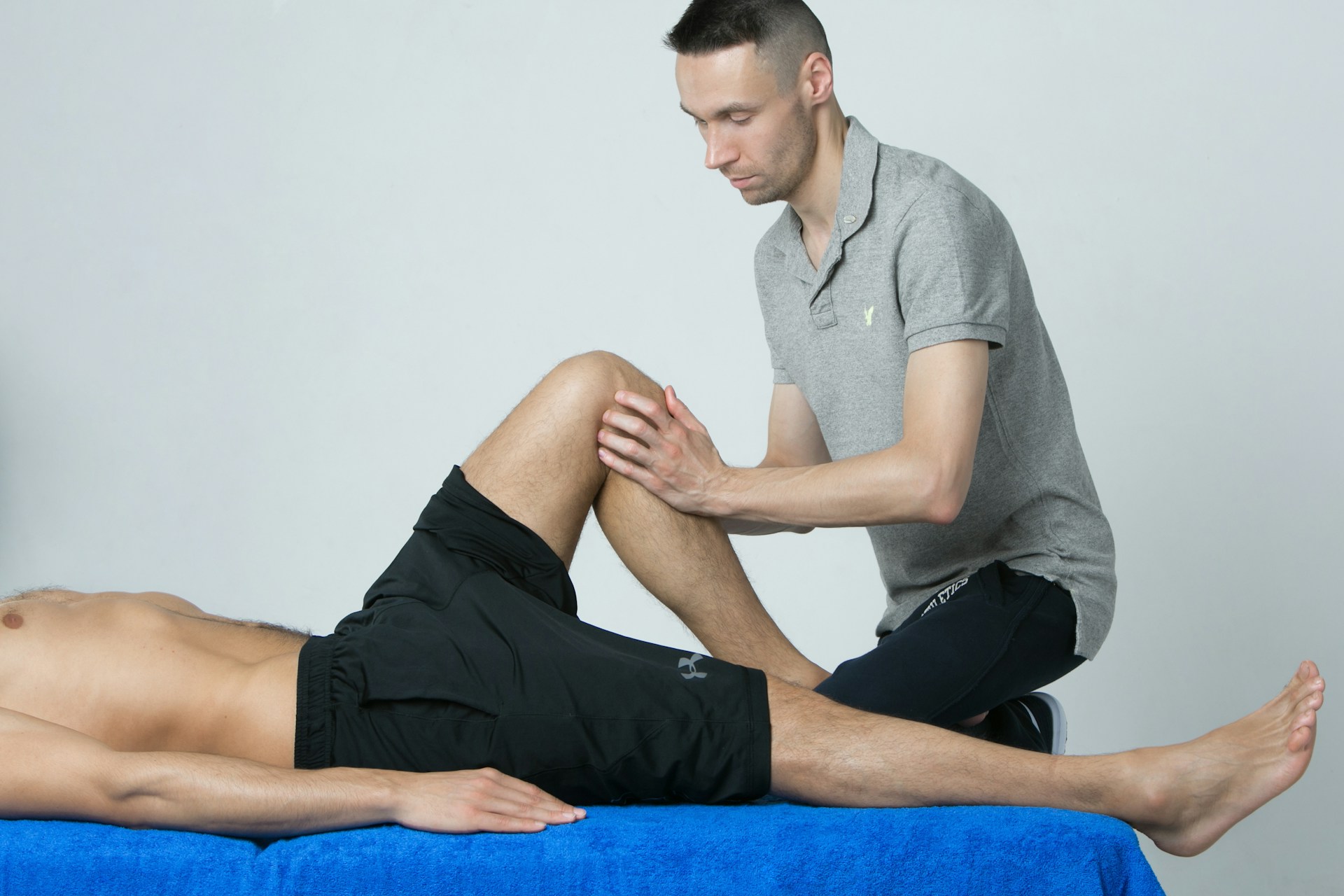
Massage Therapy
Massage therapy involves using hands, pressure, and stretching to work on aches, stiffness, and muscle tightness. Manipulating specific muscles, tendons, and ligaments increases blood supply to relieve pain. Massage promotes flexibility, reduces pain, and helps correct muscle imbalances. Your doctor can recommend different types of massage based on your specific pain points and desired treatment goals.

Read Our Online Reviews
EXCELLENT

Based on 116 reviews


Gwen Pinkerton
May 12, 2025

Great Chiropractor. Doing a good job and getting we put back correctly!

Pamela
April 2, 2025
Dr South is very knowledgeable and has helped tremendously with my headaches. Highly recommend!

Beverly K.
April 11, 2025
Knowledgeable, friendly and supportive people. Treatments that actually help you feel better and improve your health

Leslie Beckett
April 9, 2025
I have received chiropractic care since 1983 and have experienced many positive practice models. The techniques and overall caring in this practice are unparalleled.

Michael Simpler
April 7, 2025
Dr South is very professional and sincerely cares about his patients. He has eliminated my migraines and continues to improve issues with my neck and back. I had an elderly dog who could hardly walk and I took him to the vet three times in two weeks. They gave me prescriptions that were not helping, then recommended a chiropractor. I was surprised they recommended Dr South, already my chiropractor! One visit and he was walking pretty normal. After the second visit he was running and playing like a puppy. We had another three years of quality life thanks to Dr South. I'm so grateful to have him in my life!

Brenda Diane Tingen
April 7, 2025
Dr South, Sharon, Sam and NaMeta are amazing. They genuinely want to know how you are doing from visit to visit. They know each of their patients by name and greet you at the door. Their attention to detail is spot on. I enjoy every session that I have with them. Can't imagine going to anyone else for my Chiropractic needs.

Angelique Davis
April 5, 2025
Excellent service. Excellent care from Dr South and staff!

Rhett Walls
April 4, 2025
Great service, and caring people!!!

Adam B.
April 4, 2025
Amazing chiropractic doctor. He is very attentive and thorough and really wants to help each patient. Highly recommend if you want the right and correct treatment for your medical needs.

Stanley Bates
April 2, 2025
Excellent service.
Common Causes of Vertigo in Newark, DE
Benign Paroxysmal Positional Vertigo
Benign Paroxysmal Positional Vertigo (BPPV) is a type of vertigo characterized by sudden, brief episodes of dizziness or unsteadiness. It is caused by the displacement of small calcium crystals in the inner ear, which disrupt the normal functioning of the vestibular system and result in vertigo symptoms. BPPV is typically triggered by specific head movements, such as looking up, rolling over in bed, or bending down. The symptoms of BPPV can be debilitating and interfere with daily activities, but they are generally not life-threatening and can be effectively treated through specific exercises and chiropractic treatments.
Labyrinthitis
Labyrinthitis is an inner ear disorder that results in vertigo, hearing loss, and unsteadiness. It occurs when the labyrinth, a part of the inner ear that helps control balance and hearing, becomes inflamed. A viral or bacterial infection usually causes inflammation and can result in dizziness, unsteadiness, nausea, and ringing in the ears (tinnitus). In severe cases, labyrinthitis can also cause confusion, difficulty speaking, and loss of balance. Treatment typically involves using medications to reduce inflammation and control symptoms, along with rest and other supportive measures.
Meniere's Disease
Meniere's Disease is a chronic condition that affects the inner ear and causes vertigo, hearing loss, and ringing in the ears (tinnitus). The exact cause of Meniere's Disease is unknown but is thought to be related to increased fluid pressure in the inner ear. Symptoms of Meniere's Disease typically come on suddenly and can last for several hours, causing significant disruption to daily activities. In addition to vertigo, hearing loss, and tinnitus, other symptoms of Meniere's Disease may include a feeling of fullness in the affected ear, unsteadiness, and nausea.
Vestibular Neuritis
Vestibular Neuritis is characterized by sudden and severe vertigo, unsteadiness, and dizziness. It is caused by inflammation of the vestibular nerve, which controls the sense of balance and coordinates eye movements. The inflammation can result in the nerve not working correctly, leading to vertigo and other symptoms. Vestibular Neuritis often occurs after a viral infection, but the exact cause is not always clear. Symptoms typically resolve independently over a few days to a few weeks, but in some cases, vestibular rehabilitation and physical therapy may be recommended.
Concussions
A concussion is a traumatic brain injury caused by a blow to the head or a violent shaking of the head and upper body. It can result in various symptoms, including headaches, confusion, dizziness, nausea, and changes in vision or hearing. Concussions can also cause memory problems, difficulty concentrating, and mood changes. The severity and duration of symptoms can vary widely, but most people with a concussion recover within a few weeks. In some cases, however, symptoms can persist longer and require more extensive treatment and rehabilitation.
Check Out Our Location Near You
1450 Capitol Trail, Suite 106, Newark, DE 19711
Frequently Asked Questions
Can going to a chiropractor help with vertigo?
Can a misaligned neck cause vertigo?
How do you get rid of vertigo fast?
- Changing positions slowly and avoiding sudden movements
- Doing specific exercises to improve balance and stability
- Applying a cold compress to the back of the neck
- Drinking plenty of water and avoiding dehydration.
Can chiropractic help inner ear problems?
Why do I keep getting vertigo?
- Inner ear disorders such as Meniere`s disease or Benign Paroxysmal Positional Vertigo (BPPV)
- Neurological problems such as vestibular neuritis or migraines
- Dehydration or anemia
- Certain medications
- Head injury or neck problems
- Subluxations (spinal misalignment)