Hip Pain

The hip is the largest joint in the body and has tremendous potential for injury. The joint has numerous connections of cartilage and ligaments that hold it together and allows it to move – the gluteus muscles, IT band, psoas, and hamstrings all influence the health and movement of the hip.
When the hip joint moves out of alignment, the entire body compensates for the loss. This compensation creates issues causing tightness and stiffness at best and tendonitis and ligament sprains at worst.
Chiropractic Care seeks a non-invasive, natural approach to correct the root cause of the problem, relieving hip pain and preventing the problem from recurring.
Register
How Our Hip Pain Care Plan Works
Structural Correction Chiropractic
Your body possesses an innate healing capacity, yet structural misalignments often block this process. Physical and mental stressors can trigger discomfort, limited range of motion, and various health concerns. Our approach identifies and addresses these imbalances to restore proper function and wellness.
Functional Rehabilitation
Your customized care plan targets muscular imbalances and weaknesses while enhancing movement quality and restoring normal function. This program is tailored to your unique circumstances so you can overcome pain and reach your full health potential.
Nervous System Based Approach
Your nervous system serves as the body's primary command center, regulating every cell, tissue, muscle, and organ. By prioritizing nervous system health and enhancing its performance, we can boost your overall wellness, decrease discomfort, and help prevent future health issues.
How We Treat Hip Pain in Newark, DE
Different courses of treatment can help to treat hip pain. Each case is unique, and a professional chiropractor will assess the situation and determine the best course of action. There are different approaches and treatment types available for treating hip pain, including the following.
Comprehensive Consultation and Exam
A thorough consultation and exam are an integral part of your care plan. The consultation consists of an in-depth discussion and review of your medical history. Pain patterns and how the symptoms affect your activities will also get addressed. We’ll discuss your long-term health goals and the benefits of conservative chiropractic care and create a hip pain relief plan specifically designed for you.
Specific Chiropractic Care
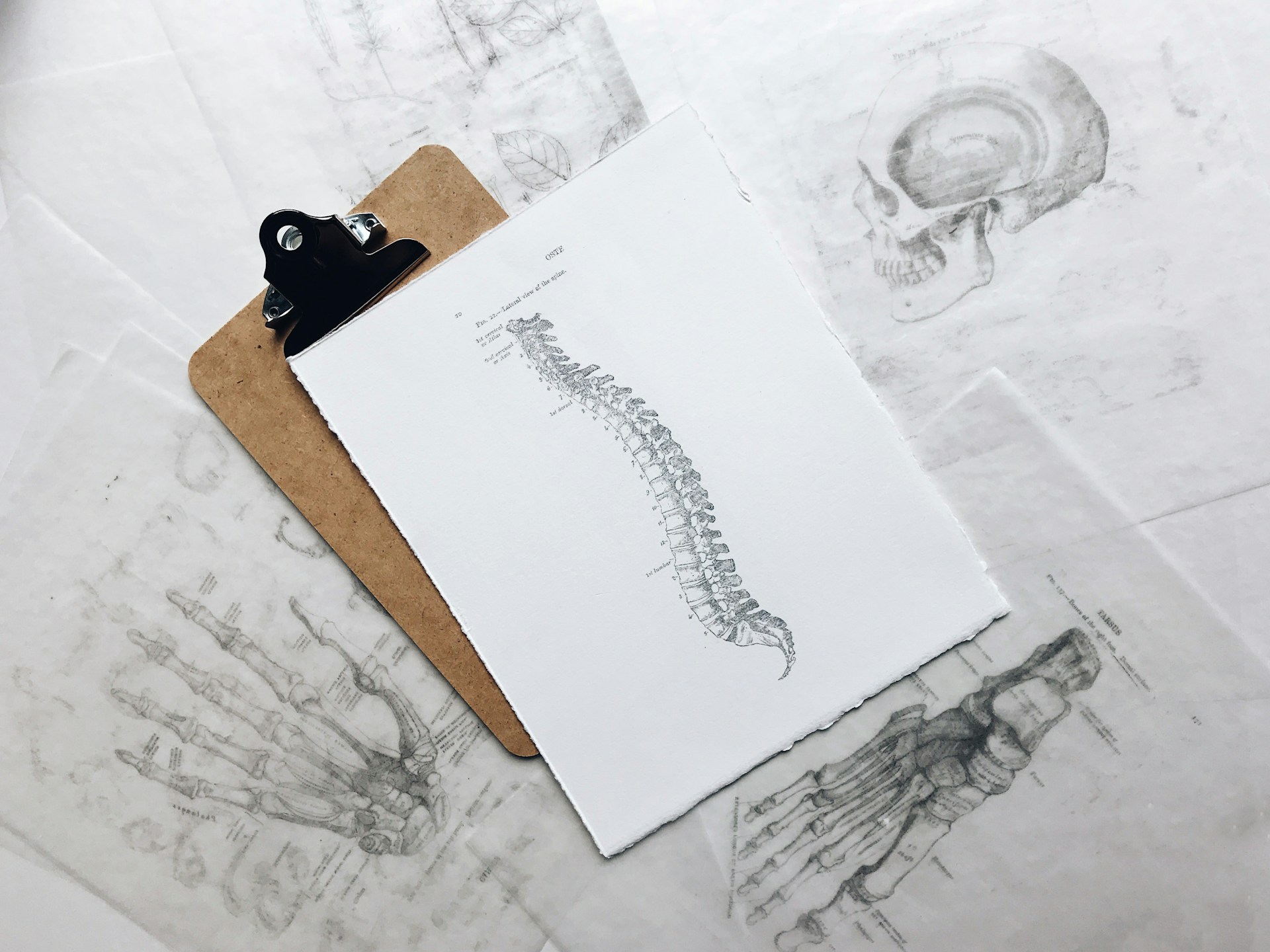
After a comprehensive history and thorough examination, we can create a hip pain treatment plan specific to your needs and situation. Chiropractors are joint experts. As a chiropractor specializing in hip pain treatment, we approach hip pain with a holistic perspective. By meticulously assessing spinal alignment, nerve function, and biomechanics, we aim to uncover the root cause of your hip pain. Through gentle adjustments tailored to address misalignments and restore proper nerve flow, we can often alleviate hip pain and enhance overall mobility. Our patient-centered approach prioritizes long-term relief and improved quality of life.
Custom Therapeutic Exercise Plan
Our patient’s progress depends on their commitment to the exercise program we design. A custom exercise plan allows us to be as aggressive as necessary with your care so that you can get back to living your life. We use customized exercises to suit your individual needs. It can include stretching and strengthening, balance training, and other methods to improve mobility. Strengthening and stabilizing exercises will help you hold proper spinal structure.
Digital X-rays
We may use digital X-rays to create a record of your unique anatomy. These images are beneficial not only to you but also to us since they ensure the treatment is safe and effective. Additionally, a digital X-ray allows for a greater understanding of any conditions that are present or that may be present in the future. We can use X-rays to measure progress and get the clearest assessment of the health of your spine.
Deep Tissue Laser
This non-surgical procedure can help to decrease pain and inflammation in your body. The laser stimulates blood flow, which accelerates the healing process. This treatment is also helpful for pain management, reducing chronic inflammation.
Massage Therapy and Soft Tissue Work
Many doctors focus entirely on treating back pain and neck pain but neglect to practice corrective care for the muscles in the rest of your body. Correcting soft tissue damage is one of the core components of our treatment. Soft tissue work prepares your tissues for chiropractic adjustments and therapeutic exercises. Massage works in conjunction with chiropractic adjustments to hold the corrections longer.
Read Our Online Reviews
EXCELLENT

Based on 116 reviews


Gwen Pinkerton
May 12, 2025

Great Chiropractor. Doing a good job and getting we put back correctly!

Pamela
April 2, 2025
Dr South is very knowledgeable and has helped tremendously with my headaches. Highly recommend!

Beverly K.
April 11, 2025
Knowledgeable, friendly and supportive people. Treatments that actually help you feel better and improve your health

Leslie Beckett
April 9, 2025
I have received chiropractic care since 1983 and have experienced many positive practice models. The techniques and overall caring in this practice are unparalleled.

Michael Simpler
April 7, 2025
Dr South is very professional and sincerely cares about his patients. He has eliminated my migraines and continues to improve issues with my neck and back. I had an elderly dog who could hardly walk and I took him to the vet three times in two weeks. They gave me prescriptions that were not helping, then recommended a chiropractor. I was surprised they recommended Dr South, already my chiropractor! One visit and he was walking pretty normal. After the second visit he was running and playing like a puppy. We had another three years of quality life thanks to Dr South. I'm so grateful to have him in my life!

Brenda Diane Tingen
April 7, 2025
Dr South, Sharon, Sam and NaMeta are amazing. They genuinely want to know how you are doing from visit to visit. They know each of their patients by name and greet you at the door. Their attention to detail is spot on. I enjoy every session that I have with them. Can't imagine going to anyone else for my Chiropractic needs.

Angelique Davis
April 5, 2025
Excellent service. Excellent care from Dr South and staff!

Rhett Walls
April 4, 2025
Great service, and caring people!!!

Adam B.
April 4, 2025
Amazing chiropractic doctor. He is very attentive and thorough and really wants to help each patient. Highly recommend if you want the right and correct treatment for your medical needs.

Stanley Bates
April 2, 2025
Excellent service.
Common Causes of Hip Pain in Newark, DE
Bursitis
This condition is characterized by inflammation and pain at the hip and thigh junctions. Trauma to the ligaments in the hip area causes bursitis. If these ligaments are inflamed, the hip joint is more likely to feel stiff or sore, especially when you move.
Muscle or Tendon Strain
Tendon strain occurs when you exert too much pressure on your hip. It mainly arises from overuse, mostly from activities involving a lot of movements and forward momentum, like swimming or cycling.
Avascular Necrosis
In avascular necrosis, the blood supply to the hip gets disrupted. This disruption can happen for various reasons, including an injury or general inflammation of the area. Without the blood supply to cushion the bone, the bone can eventually die, causing hip pain and a lack of mobility.
Arthritis
This condition results from inflammation of the joints, which happens when the cartilage that should be present to cushion the bones get worn down. As the cartilage wears down, the hip bones rub against each other, causing hip pain. Unfortunately, cartilage does not repair itself, so symptoms will only worsen over time if left untreated. Chiropractic Care is an excellent way to manage the symptoms and progression of arthritis.
Hip Labral Tear
A hip labral tear is a severe injury that occurs when the labrum, a piece of cartilage on the end of your femur, gets torn. The labrum acts as a shock absorber to help cushion the blow or stress on your hip and drive it back into place. If it tears, moving your hip in certain directions will be painful.
Tendinitis
Tendinitis is a condition that affects the tissues that connect muscle to bone. At the hip, the main tendons affected are the IT band. This tendon runs down the outside of your thigh and links to your pelvis and lower back. If affected, it can hurt to move your hip, especially while doing things that involve the thighs.
Sciatica
This condition happens when the sciatic nerve, which runs down the back of your thigh and lower legs, gets irritated. When this happens, the nerve can send pain signals to your brain, making that area feel stiff and painful. Sciatica is a big problem for your hip, as that nerve runs through the hip joint. Chiropractic care will search for the underlying cause of sciatic nerve pain, whether it be related to a muscle, joint, or disc problem. Chiropractors can work to restore spinal alignment alleviating nerve irritation, relieve muscle tension that may be aggravating the large sciatic nerve, or rehydrate and decompress spinal discs to heal bulged or herniated discs.
Check Out Our Location Near You
1450 Capitol Trail, Suite 106, Newark, DE 19711
Frequently Asked Questions
What are the signs and symptoms of a hip flexor strain?
Besides that, you may experience the following:
- Difficulty walking or running
- A grinding sensation in your hip joint
- Mild pain in your groin
- Mild hip pain when you flex your hip joint strongly
- Swelling in the affected area
What can a chiropractor do for hip osteoarthritis?
We may use massage to improve circulation and speed healing. Alternatively, we may provide gentle adjustments or therapeutic exercises to address the underlying biomechanics causing your pain.
What are the best hip pain relief exercises?
- Deadlifts– Hold this position with your knees slightly bent and your toes pointed to the sides. Keep your knees aligned with your toes, and push your butt back. Keep your chest lifted, and maintain a neutral spine as you go through the exercise. Repeat this at least three times.
- Wall Squats – Stand with your back against a wall with your feet slightly more than shoulder-width apart. Lower yourself while keeping a good posture so the knees align with the toes.
- Leg Raises – Leg raises can help strengthen your thigh muscles and increase hip flexors’ mobility.
- Shrimping – Start to lie on your stomach with your legs straight. Initiate it slowly by contracting your glutes and lower back muscles. Maintain this position and slowly lift your hips off the ground while pulling your legs down towards the floor.
- Leg Swings – Use a bench or other stationary object to hold on to for support. Stand with your feet about shoulder-width apart and bend your knees. Once you reach the desired point, swing your legs back and forth in front of you as you maintain good posture and control.
- Modified Hip Thrusts – It is a powerful exercise that utilizes your trunk muscles to strengthen your core, elevating your hips. It also helps to get blood to the area and stimulates circulation.
- Passive Isometrics – To perform this stretch, lean against a wall or couch and place your knees on the ground. Hold this position for 30 seconds, and then relax. Repeat eight times.
- Foam Rolling – Foam rolling is a general technique used for self-massage, which can work out any kinks in the affected area and improve pain relief by draining lactic acid from the muscles.
Should I go to a chiropractor for hip pain?
- More Accurate Diagnosis – Hip pain can result from several different conditions, each with a different treatment method. If you go to a chiropractic care professional, they can look at the entire picture and give you a proper diagnosis and treatment plan to correct the underlying problem and not just treat the symptoms.
- More Effective Treatments – Chiropractic care professionals have a well-rounded education in medicine and chiropractic care. They can give you more effective treatment options. Additionally, we are backed by scientific research and have the latest treatment options.
- Minimized Side Effects – A properly trained chiropractor will give safe treatments that maximize your benefit and minimize your risk of side effects. Chiropractic care is a natural, non-invasive approach to health.
Why do my hips ache after sleeping?
- Sleeping on Your Side – Sleeping on your side, as opposed to your back, can cause some strain on the muscles in your lower back and hips. Try flipping to that side in bed and see if this alleviates the pain after sleeping.
- Using a Body Pillow – A larger body pillow will support your neck and provide more space for your hips.
- Using a Cushion – If you are experiencing pain after sleeping, try placing a cushion under your knees. It will provide more support for your lower back and improve blood circulation.
- Changing Your Mattress – The thickness of your mattress is essential as it helps determine the amount of support your body receives. A firmer mattress helps alleviate lower back and hip pain after sleeping.
What is the fastest way to relieve hip pain?
- Apply Heat – Heat can help relax your hip and lower back muscles, which may relieve pain. You can use a synthetic heat pack or a towel soaked in warm water. However, you should only use heat for about 15 minutes, as it can dry out the skin if you leave it on too long.
- Exercise – Exercising will help strengthen your core, provide good overall health, and relieve hip pain. Try doing squats, lunges, leg lifts, and other core-strengthening exercises.
- Use a Massage Ball – A massage ball is an easy tool that you can use to massage yourself. It’s not nearly as effective as a professional massage, but it may help loosen tight muscles.
- Chiropractic Care – avoid the side effects of pain medication and prevent unnecessary surgery. Chiropractic care for hip pain will relieve the pain at its source for long-term pain relief.