Scoliosis
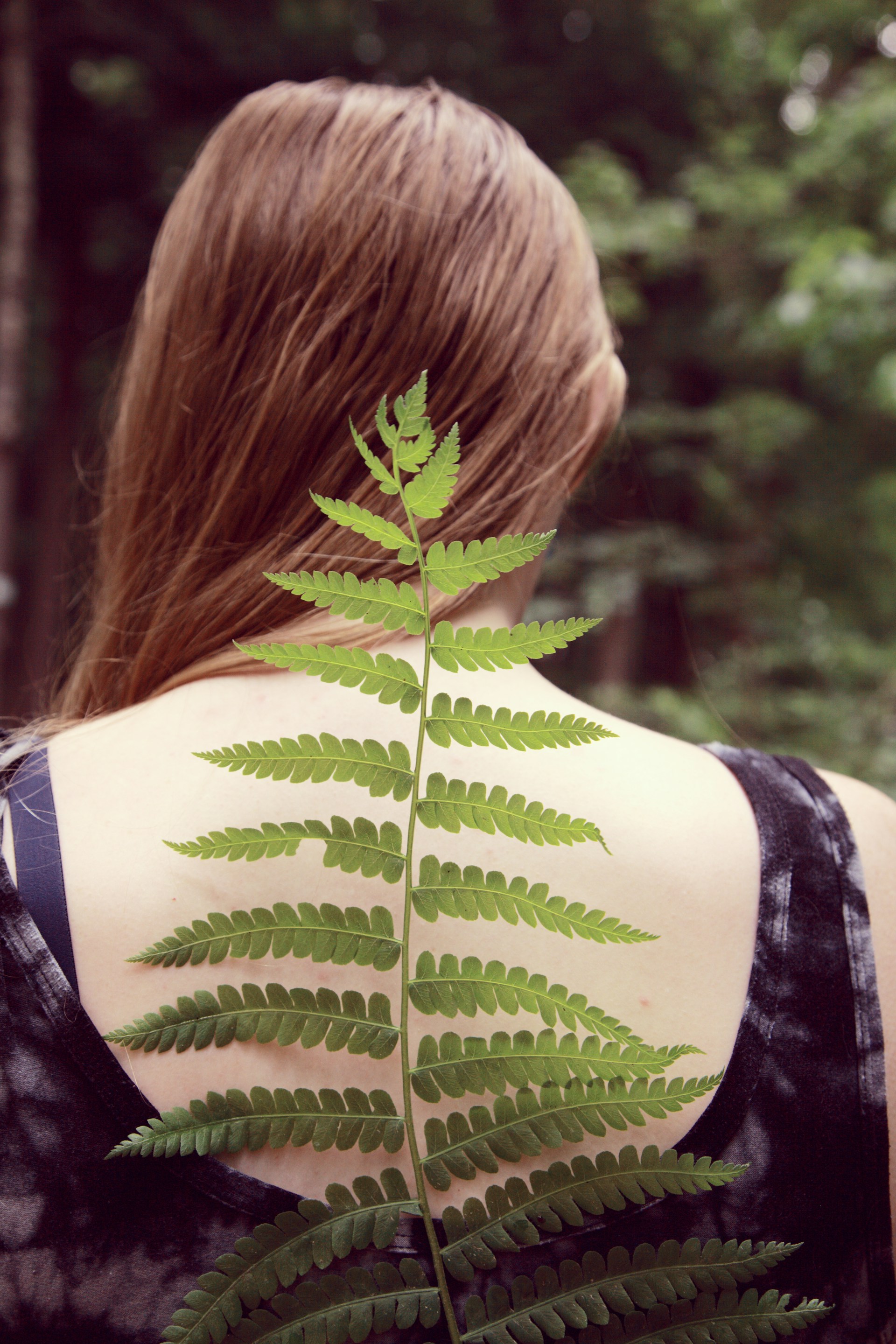
Scoliosis is characterized by an abnormal sideways curvature of the spine. The condition can develop during childhood, adolescence, or adulthood and varies widely in severity from one individual to another.
Some people experience few noticeable symptoms, while others may report postural changes, muscle imbalance, stiffness, fatigue, or discomfort associated with spinal asymmetry.
Although chiropractic care does not reverse every form of scoliosis, many patients seek care to improve mobility, manage discomfort, and support overall spinal function.
Our treatment plans focus on maintaining flexibility, improving movement patterns, enhancing posture, and helping patients stay active throughout all stages of life.
Register
How Our Scoliosis Care Plan Works
Structural Correction Chiropractic
Your body possesses an innate healing capacity, yet structural misalignments often block this process. Physical and mental stressors can trigger discomfort, limited range of motion, and various health concerns. Our approach identifies and addresses these imbalances to restore proper function and wellness.
Functional Rehabilitation
Your customized care plan targets muscular imbalances and weaknesses while enhancing movement quality and restoring normal function. This program is tailored to your unique circumstances so you can overcome pain and reach your full health potential.
Nervous System Based Approach
Your nervous system serves as the body's primary command center, regulating every cell, tissue, muscle, and organ. By prioritizing nervous system health and enhancing its performance, we can boost your overall wellness, decrease discomfort, and help prevent future health issues.
How We Treat Scoliosis in Newark, DE
Chiropractic care is one of the most common treatments for scoliosis. Chiropractic works to correct spinal structure through chiropractic adjustments and therapeutic exercises that strengthen and stretch muscles and improve posture. A chiropractor can identify the underlying cause of scoliosis and prescribe the best treatment options based on each patient’s needs.
Comprehensive Consultation and Exam
A thorough hands-on examination is the best way to diagnose scoliosis. We will take a detailed health history to understand how scoliosis affects your life. The examination is not restricted to the spine but also looks into the joints, muscles, bones, and other areas, including your ears, jawline, and hands. After the exam, your doctor will provide you with an accurate diagnosis and explain the best treatment options. Your doctor will assess spinal curvature, alignment, flexibility, strength, and general health.
Specific Chiropractic Care
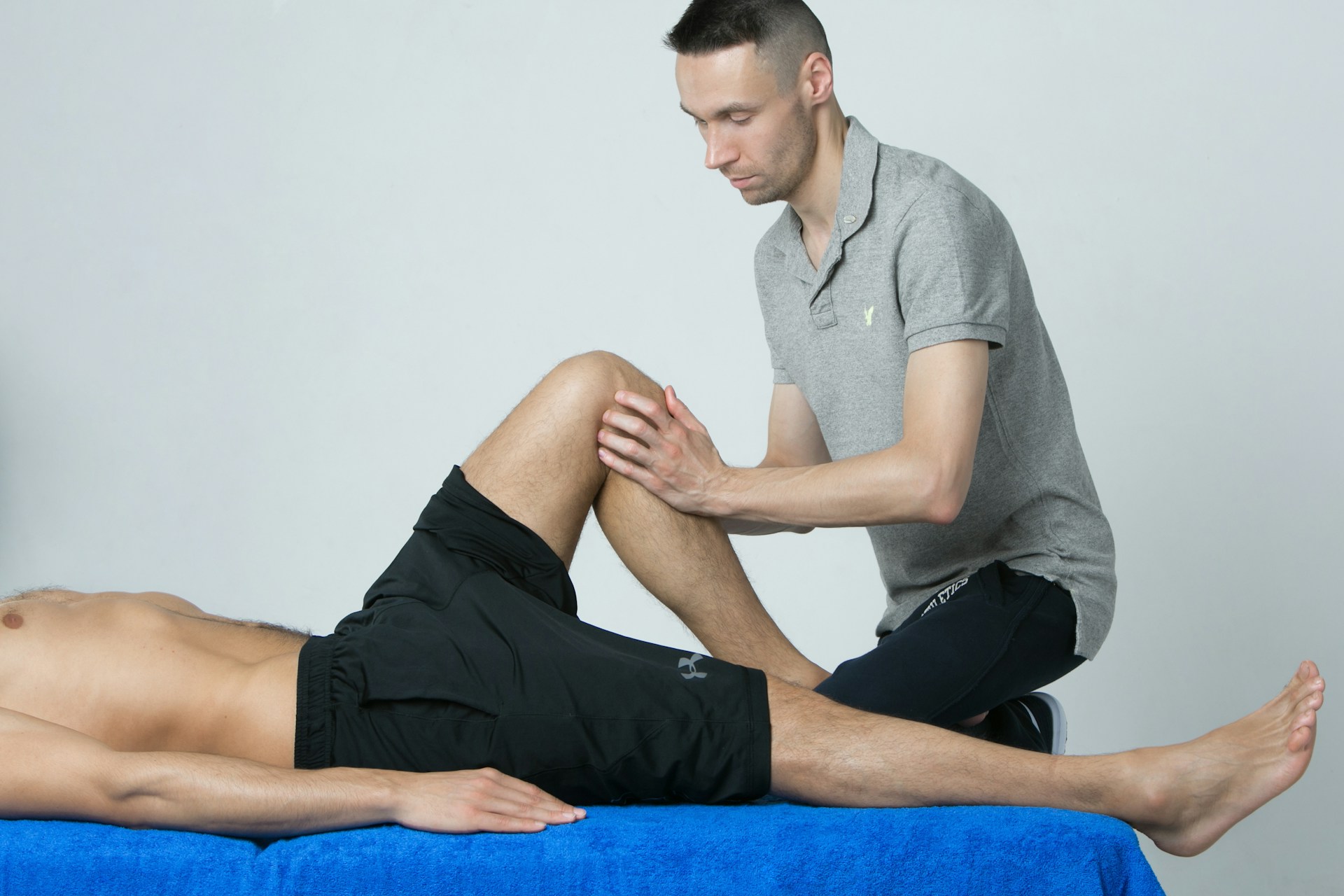
Chiropractic adjustments are specific to your condition. They are used to relieve pressure on spinal nerves. This unique approach may use stretch, traction, or other manual techniques depending on the severity of your condition.
During the session, the chiropractor will assess your movement and flexibility to determine the initial frames of the spine and work on the misalignment. The adjustments are usually applied manually but can be administered using instruments or equipment. Chiropractic adjustments relieve pressure and stress on the nervous system to improve nerve function, alleviate scoliosis pain, and restore mobility and muscle function.
Spinal Decompression
Spinal decompression involves using a motorized machine that provides traction for the spine. By stretching the spine, decompression removes pressure from the spinal discs and nerves, rehydrating the discs and giving them a chance to heal.
During the procedure, you will lie on a special table with a harness with multiple straps that secure your shoulders, hips, and feet. The table is then tilted at an angle to lower the upper body, decompress the spine and improve alignment. This works by pulling the spinal discs away from each other, which reduces pressure on the nerves and lowers blood pressure in the spinal discs when combined with traction.
Custom Therapeutic Exercise Plan
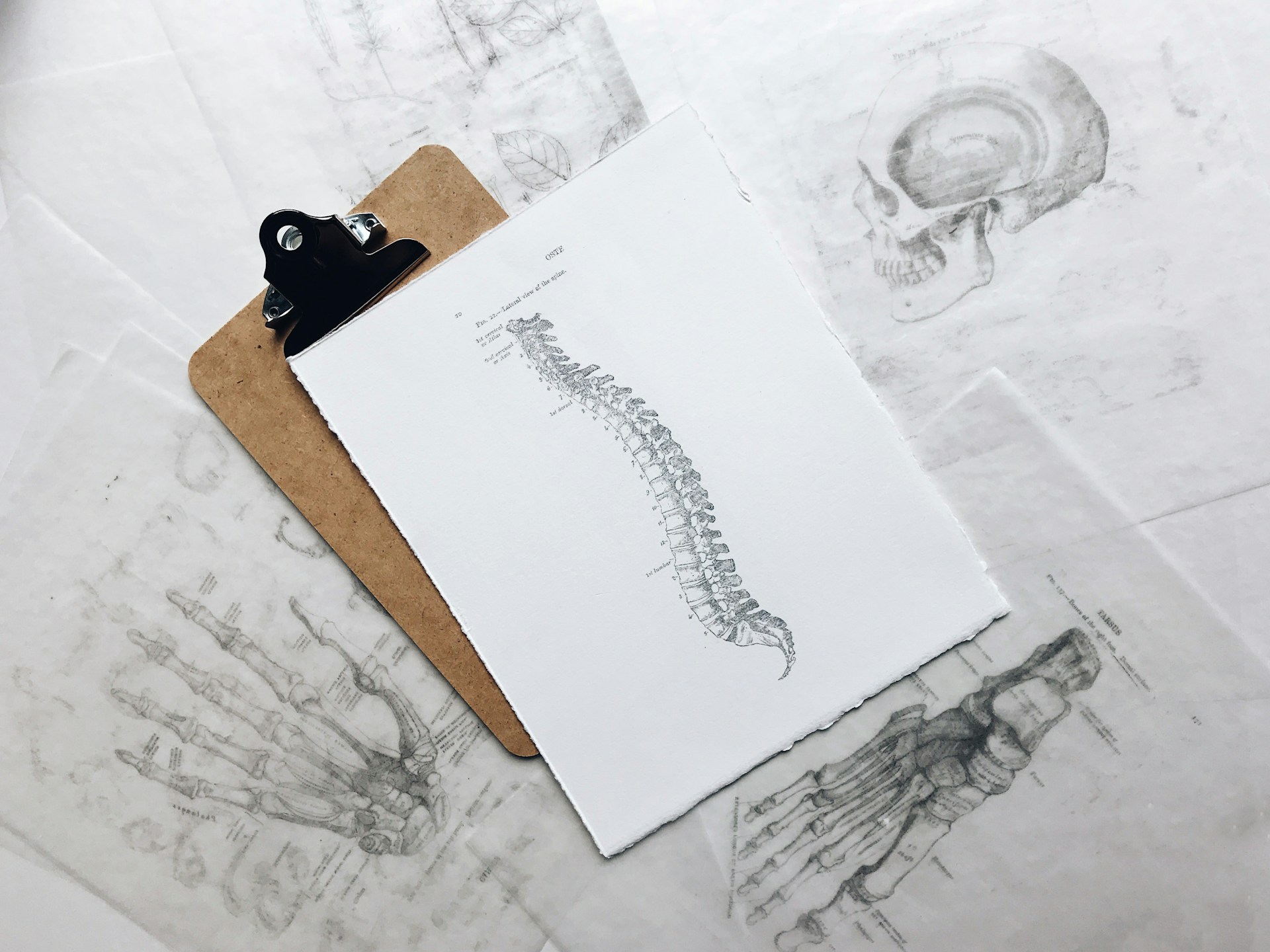
Your exercise program will often be designed from kinesiology to correct the tightness and alignment in the affected areas. This can include muscle stretches, strengthening exercises, and gentle mobility exercises. More advanced plans may even include scoliosis motion chairs or special braces that allow patients to work on stretching and strengthening their muscles.
At home, the best scoliosis exercises include resistance band training, yoga poses, core strengthening, and other fitness activities that improve muscle balance and flexibility. Your chiropractor will recommend an appropriate home program based on your condition.
Massage Therapy
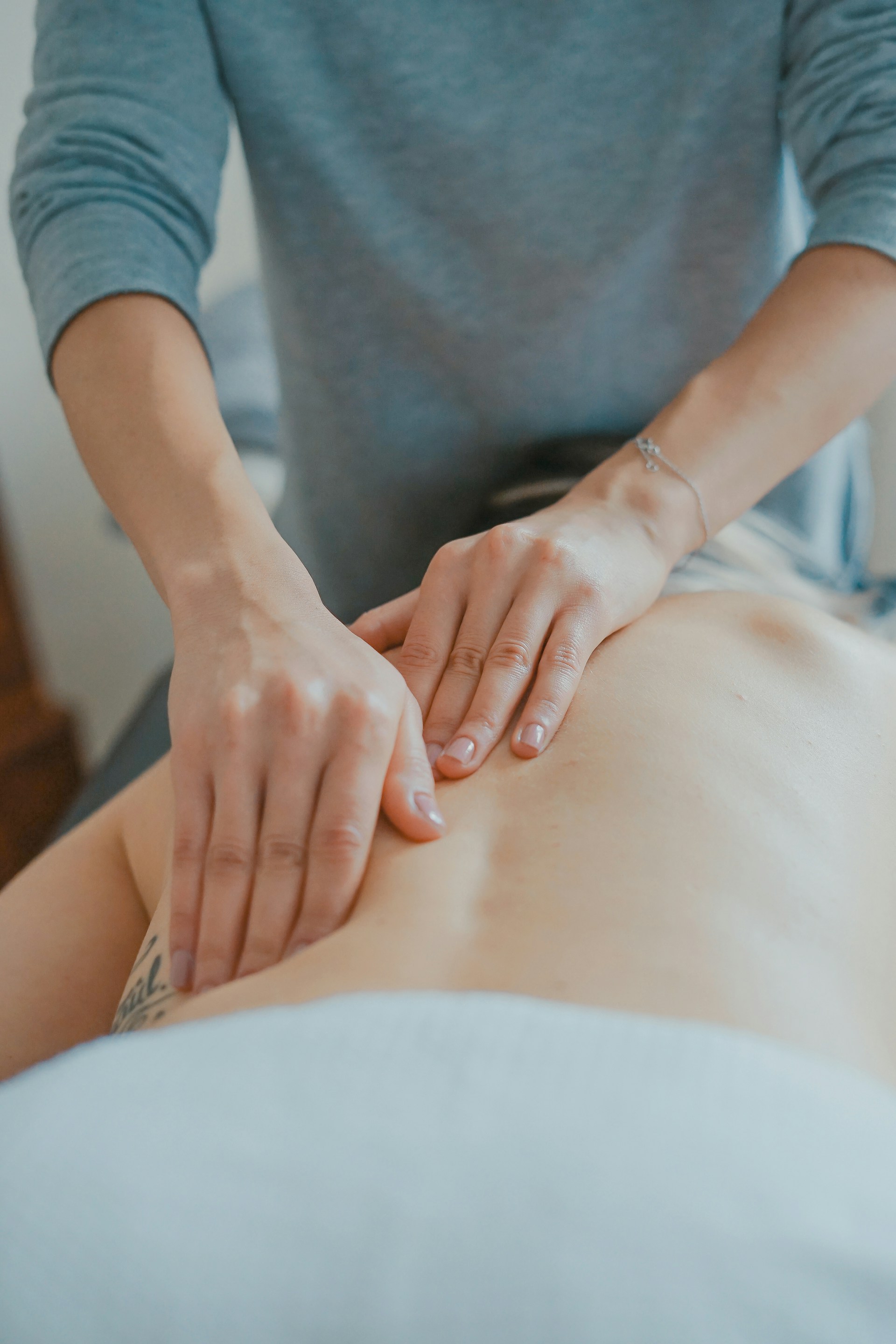
Massage therapy involves using hands, pressure, and stretching to work on aches, stiffness, and muscle tightness. Manipulating specific muscles, tendons, and ligaments increases blood supply to relieve pain. Massage promotes flexibility, reduces pain, and helps correct muscle imbalances. Your doctor can recommend different types of massage based on your back pain, specific pain points, and desired treatment goals.
Read Our Online Reviews
EXCELLENT

Based on 116 reviews


Gwen Pinkerton
May 12, 2025

Great Chiropractor. Doing a good job and getting we put back correctly!

Pamela
April 2, 2025
Dr South is very knowledgeable and has helped tremendously with my headaches. Highly recommend!

Beverly K.
April 11, 2025
Knowledgeable, friendly and supportive people. Treatments that actually help you feel better and improve your health

Leslie Beckett
April 9, 2025
I have received chiropractic care since 1983 and have experienced many positive practice models. The techniques and overall caring in this practice are unparalleled.

Michael Simpler
April 7, 2025
Dr South is very professional and sincerely cares about his patients. He has eliminated my migraines and continues to improve issues with my neck and back. I had an elderly dog who could hardly walk and I took him to the vet three times in two weeks. They gave me prescriptions that were not helping, then recommended a chiropractor. I was surprised they recommended Dr South, already my chiropractor! One visit and he was walking pretty normal. After the second visit he was running and playing like a puppy. We had another three years of quality life thanks to Dr South. I'm so grateful to have him in my life!

Brenda Diane Tingen
April 7, 2025
Dr South, Sharon, Sam and NaMeta are amazing. They genuinely want to know how you are doing from visit to visit. They know each of their patients by name and greet you at the door. Their attention to detail is spot on. I enjoy every session that I have with them. Can't imagine going to anyone else for my Chiropractic needs.

Angelique Davis
April 5, 2025
Excellent service. Excellent care from Dr South and staff!

Rhett Walls
April 4, 2025
Great service, and caring people!!!

Adam B.
April 4, 2025
Amazing chiropractic doctor. He is very attentive and thorough and really wants to help each patient. Highly recommend if you want the right and correct treatment for your medical needs.

Stanley Bates
April 2, 2025
Excellent service.
Common Causes of Scoliosis in Newark, DE
Weak Muscles or Ligaments
The most common cause of scoliosis is the presence of weak muscles or ligaments that do not provide sufficient support to the spine. In such cases, combined with weak vertebrae, this can eventually lead to the spine curving to one side. These cases are usually diagnosed between the ages of 10 and 14, with the average age of scoliosis onset being about 11 years old.
How to Identify Scoliosis in Yourself or Others
Observing the spine in a standing position makes this condition easy to identify. Typically, your spine should be straight and in line with the head and feet. If a person has scoliosis, the spine will bend to one side. Depending on its severity, the curve may be visible from the front or back. A lateral view of the spine may reveal a slight deviation from a straight line. In most cases, curves of more than 10-15° are considered abnormal and warrant medical attention.
Scoliosis signs and symptoms are usually mild initially and do not require treatment. However, if the condition worsens, it can cause severe pain and muscle spasms around the spine. Common symptoms include back pain and neck pain, frequent headaches, nausea, fatigue, dizziness, and poor posture. These symptoms are often present in more than one part of the body. Early detection is essential to avoid complications and ensure proper treatment.
Check Out Our Location Near You
1450 Capitol Trail, Suite 106, Newark, DE 19711
Frequently Asked Questions
How should I sleep with scoliosis?
What foods help scoliosis?
What sports should I avoid with scoliosis?
What does scoliosis pain feel like?
Is walking good for scoliosis?
Can a chiropractor straighten your spine?