TMJ Dysfunction
The temporomandibular joint, commonly referred to as the TMJ, connects the lower jaw to the skull and plays an important role in speaking, chewing, and everyday jaw movement. When this joint is not functioning properly, it can contribute to pain, stiffness, and reduced jaw mobility.
TMJ dysfunction may be associated with injury, muscle tension, teeth grinding, stress, postural imbalances, or abnormal jaw mechanics. Symptoms can vary widely and may include jaw discomfort, clicking or popping sounds, headaches, facial tension, ear discomfort, or difficulty opening and closing the mouth comfortably.
Because the jaw, neck, and upper spine work closely together, dysfunction in one area can often influence another. A comprehensive examination helps determine which factors may be contributing to symptoms.
Our treatment approach focuses on improving movement, reducing muscle tension, and supporting proper function of the jaw and surrounding structures to help patients experience greater comfort during daily activities.
Register
How Our TMJ Pain Plan Works
Structural Correction Chiropractic
Your body possesses an innate healing capacity, yet structural misalignments often block this process. Physical and mental stressors can trigger discomfort, limited range of motion, and various health concerns. Our approach identifies and addresses these imbalances to restore proper function and wellness.
Functional Rehabilitation
Your customized care plan targets muscular imbalances and weaknesses while enhancing movement quality and restoring normal function. This program is tailored to your unique circumstances so you can overcome pain and reach your full health potential.
Nervous System Based Approach
Your nervous system serves as the body's primary command center, regulating every cell, tissue, muscle, and organ. By prioritizing nervous system health and enhancing its performance, we can boost your overall wellness, decrease discomfort, and help prevent future health issues.
How We Treat TMJ Dysfunction in Newark, DE
Different courses of treatment can help to treat TMJ Dysfunction. Each case is unique, and a professional chiropractor will assess the situation and determine the best course of action. There are different approaches and treatment types available, including the following.
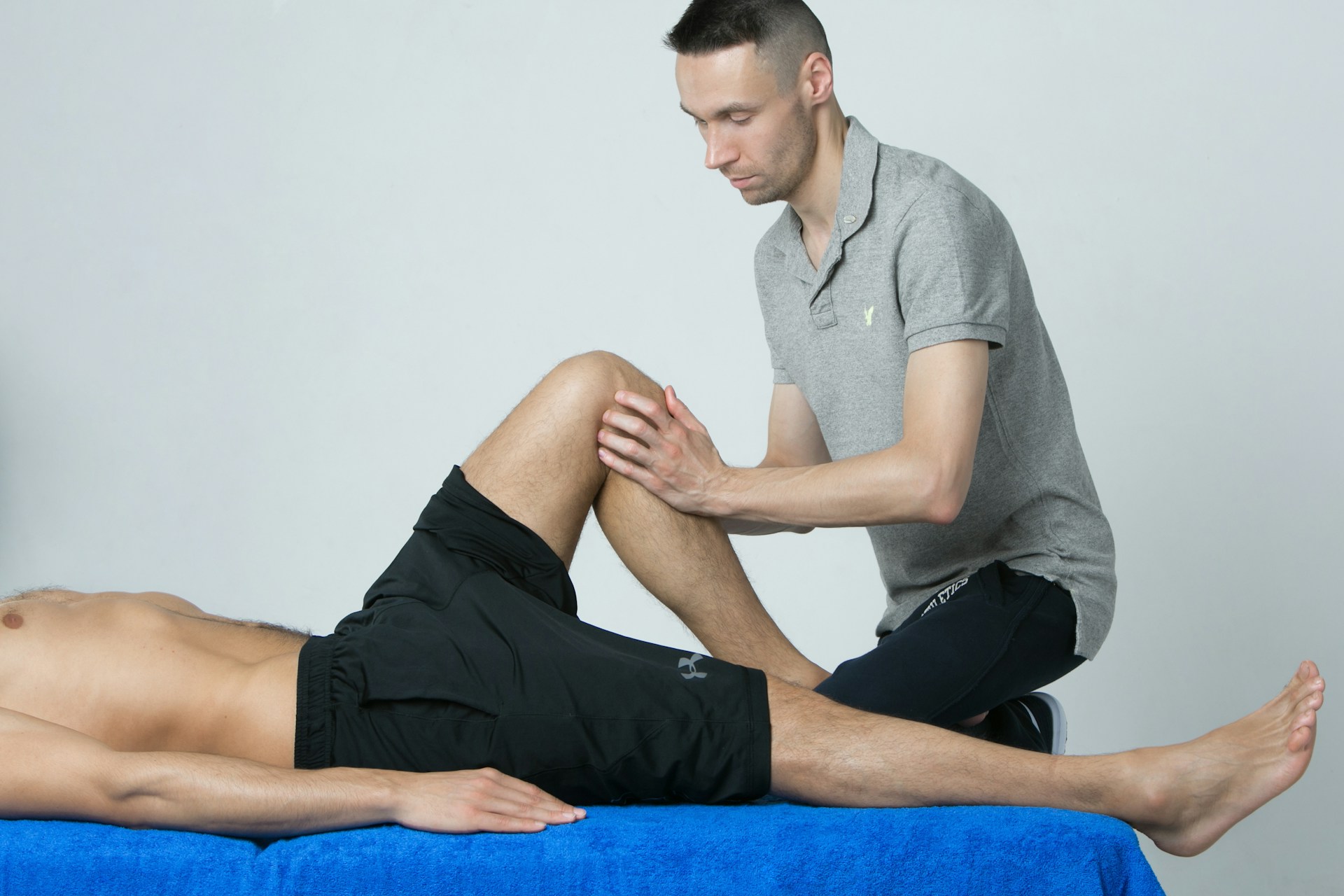
Comprehensive Consultation and Exam
Our expert practitioners will discuss your symptoms in detail during your consultation and observe how you move your jaw and neck. During the consultation, our practitioners will also assess your posture, bite, and range of motion. This is to determine the cause of your temporomandibular joint pain and develop a treatment plan tailored to your individual needs.
If necessary, we may also take X-rays. X-rays give us an accurate picture of the structures inside your jaw and help us determine the best treatment for you.
Specific Chiropractic Care
Our chiropractors will use various techniques to help realign the jaw and reduce tension. These may include adjusting the jaw joint, applying pressure to trigger points, stretching, and mobilizing the surrounding muscles.
If they choose to adjust the joint, they will use a light force to move it into its correct position gently without cracking or popping the jaw. The method used will depend on the severity of your condition and what is causing it. Our chiropractors will work with you to develop a personalized treatment plan that will help you reduce your pain and improve your jaw function.
They may then recommend exercises or stretches to help keep the jaw in its correct position. Stretching and mobilizing the muscles around the jaw is also important for restoring the jaw's normal range of motion. This can help to reduce tension and pain, as well as improve overall function.
Trigger point relief soft tissue work can help reduce muscle tension and relieve pain. Our chiropractors will use their hands to apply pressure to these knots, which will help release the built-up tension and reduce inflammation.
Deep Tissue Laser
Deep tissue laser therapy is a non-invasive treatment that can help to reduce pain and inflammation in the jaw. It targets specific areas of the jaw with a low-level laser to reduce tension and inflammation. Laser therapy can also help improve the range of motion in the jaw, reducing pain and improving function.
During the procedure, our practitioners will apply the laser to specific jaw areas for 10-15 minutes. The laser helps reduce inflammation and relieve pain and stiffness in the jaw.
Laser penetrates the cellular level, stimulating the mitochondria to accelerate healing. The benefits of laser therapy can be almost immediately, and it can provide long-term relief from TMJ pain.
Massage Therapy
Our massage therapists will use various techniques to relieve tension and reduce pain. This may include deep tissue massage, trigger point therapy, and myofascial release. Massage can help to relax the muscles around the jaw and help to reduce stress in the body, which can contribute to temporomandibular joint pain. Massage can help reduce pain and improve joint mobility.
Nutritional Supplementation
A lack of certain nutrients in the diet, such as calcium and magnesium, can cause TMJ. We will work with you to create a customized nutrition plan to help ensure your body gets all the nutrients it needs. This can help to reduce inflammation, improve joint health, and reduce pain.
We may also recommend certain supplements to help improve joint health. These can include omega-3 fatty acids, glucosamine, and chondroitin, which are known to be beneficial for joint health. Combined with an anti-inflammatory diet and foods that won't aggravate jaw pain, these supplements can help to reduce pain and improve function.
Read Our Online Reviews
EXCELLENT

Based on 116 reviews


Gwen Pinkerton
May 12, 2025

Great Chiropractor. Doing a good job and getting we put back correctly!

Pamela
April 2, 2025
Dr South is very knowledgeable and has helped tremendously with my headaches. Highly recommend!

Beverly K.
April 11, 2025
Knowledgeable, friendly and supportive people. Treatments that actually help you feel better and improve your health

Leslie Beckett
April 9, 2025
I have received chiropractic care since 1983 and have experienced many positive practice models. The techniques and overall caring in this practice are unparalleled.

Michael Simpler
April 7, 2025
Dr South is very professional and sincerely cares about his patients. He has eliminated my migraines and continues to improve issues with my neck and back. I had an elderly dog who could hardly walk and I took him to the vet three times in two weeks. They gave me prescriptions that were not helping, then recommended a chiropractor. I was surprised they recommended Dr South, already my chiropractor! One visit and he was walking pretty normal. After the second visit he was running and playing like a puppy. We had another three years of quality life thanks to Dr South. I'm so grateful to have him in my life!

Brenda Diane Tingen
April 7, 2025
Dr South, Sharon, Sam and NaMeta are amazing. They genuinely want to know how you are doing from visit to visit. They know each of their patients by name and greet you at the door. Their attention to detail is spot on. I enjoy every session that I have with them. Can't imagine going to anyone else for my Chiropractic needs.

Angelique Davis
April 5, 2025
Excellent service. Excellent care from Dr South and staff!

Rhett Walls
April 4, 2025
Great service, and caring people!!!

Adam B.
April 4, 2025
Amazing chiropractic doctor. He is very attentive and thorough and really wants to help each patient. Highly recommend if you want the right and correct treatment for your medical needs.

Stanley Bates
April 2, 2025
Excellent service.
Common Symptoms of TMJ Dysfunction in Newark, DE
Jaw Pain
Your jaw may feel sore and tender, or there may be a sharp pain when you move it. This pain is similar to the pain of an earache. It might be worse on one side or felt on both sides of your jaw.

Lockjaw
Muscle tension can lock your jaw in one position and will not move. This symptom is usually accompanied by pain or discomfort. Sometimes, the only way to unlock your jaw is with help from a doctor or physical therapist.
Jaw Clenching
You are often unaware that you are clenching your jaw or grinding your teeth. It can be a sign of stress or anxiety and cause pain in the jaw and face. It can also lead to headaches and other TMJ symptoms.
Difficulty Chewing
A misalignment of the jaw or tightness in the muscles can make it difficult to open your mouth wide enough to chew food properly. This symptom is usually accompanied by pain or discomfort.
Jaw Popping or Clicking
You may hear or feel a popping or clicking sensation when you open your mouth. This can be caused by the jaw joint becoming misaligned or by a buildup of muscle tension. It can be accompanied by pain or stiffness.
Common Causes of TMJ Pain in Newark, DE
Teeth Clenching
When you clench or grind your teeth, your jaw is forced into an unnatural position, causing excess pressure on the temporomandibular joint leading to pain and inflammation. The extra pressure can also cause the jaw to become misaligned, leading to further pain and discomfort.
Arthritis
Arthritis can misalign the jaw, leading to swelling and inflammation. This can also cause additional stress on the temporomandibular joint, leading to more pain. In some cases, the joint can become so damaged that it needs to be replaced.
Check Out Our Location Near You
1450 Capitol Trail, Suite 106, Newark, DE 19711
Frequently Asked Questions
Can chiropractic care help with TMJ?
How do you permanently fix TMJ?
What causes TMJ to flare up?
What happens if TMJ is left untreated?
Can chiropractors crack jaws?
Can TMJ cause neurological problems?