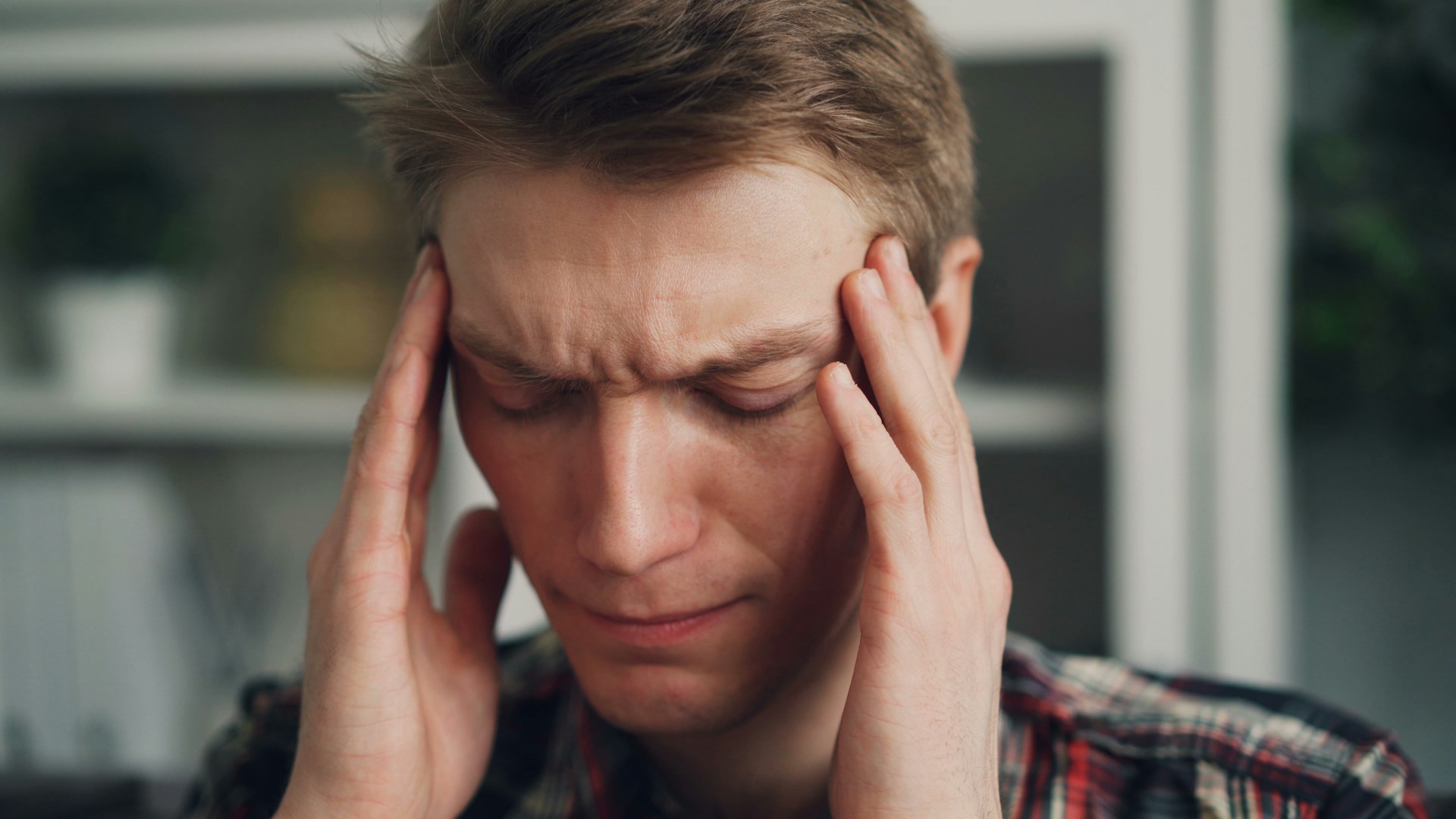
Concussion

A concussion is a type of mild traumatic brain injury that may occur following a blow, impact, or sudden movement affecting the head and neck. Symptoms can vary significantly from person to person and may continue for days, weeks, or longer after the initial injury.
Individuals recovering from a concussion may experience headaches, dizziness, balance challenges, neck discomfort, difficulty concentrating, sensitivity to light or noise, and fatigue. Because symptoms can overlap with other conditions, proper evaluation is important.
Chiropractic care does not treat the brain injury itself; however, some patients seek care to address associated musculoskeletal issues that may develop following an accident or impact. Neck stiffness, restricted movement, and postural changes are common concerns during recovery.
Working in coordination with appropriate healthcare providers, our office focuses on improving mobility, addressing physical discomfort, and supporting each patient's overall recovery process through individualized care recommendations.
Register
How Our Concussion Care Plan Works
Structural Correction Chiropractic
Your body possesses an innate healing capacity, yet structural misalignments often block this process. Physical and mental stressors can trigger discomfort, limited range of motion, and various health concerns. Our approach identifies and addresses these imbalances to restore proper function and wellness.
Functional Rehabilitation
Your customized care plan targets muscular imbalances and weaknesses while enhancing movement quality and restoring normal function. This program is tailored to your unique circumstances so you can overcome pain and reach your full health potential.
Nervous System Based Approach
Your nervous system serves as the body's primary command center, regulating every cell, tissue, muscle, and organ. By prioritizing nervous system health and enhancing its performance, we can boost your overall wellness, decrease discomfort, and help prevent future health issues.
How We Treat Concussion in Newark, DE
There are several ways to tackle treatment and expedite recovery for a concussion.
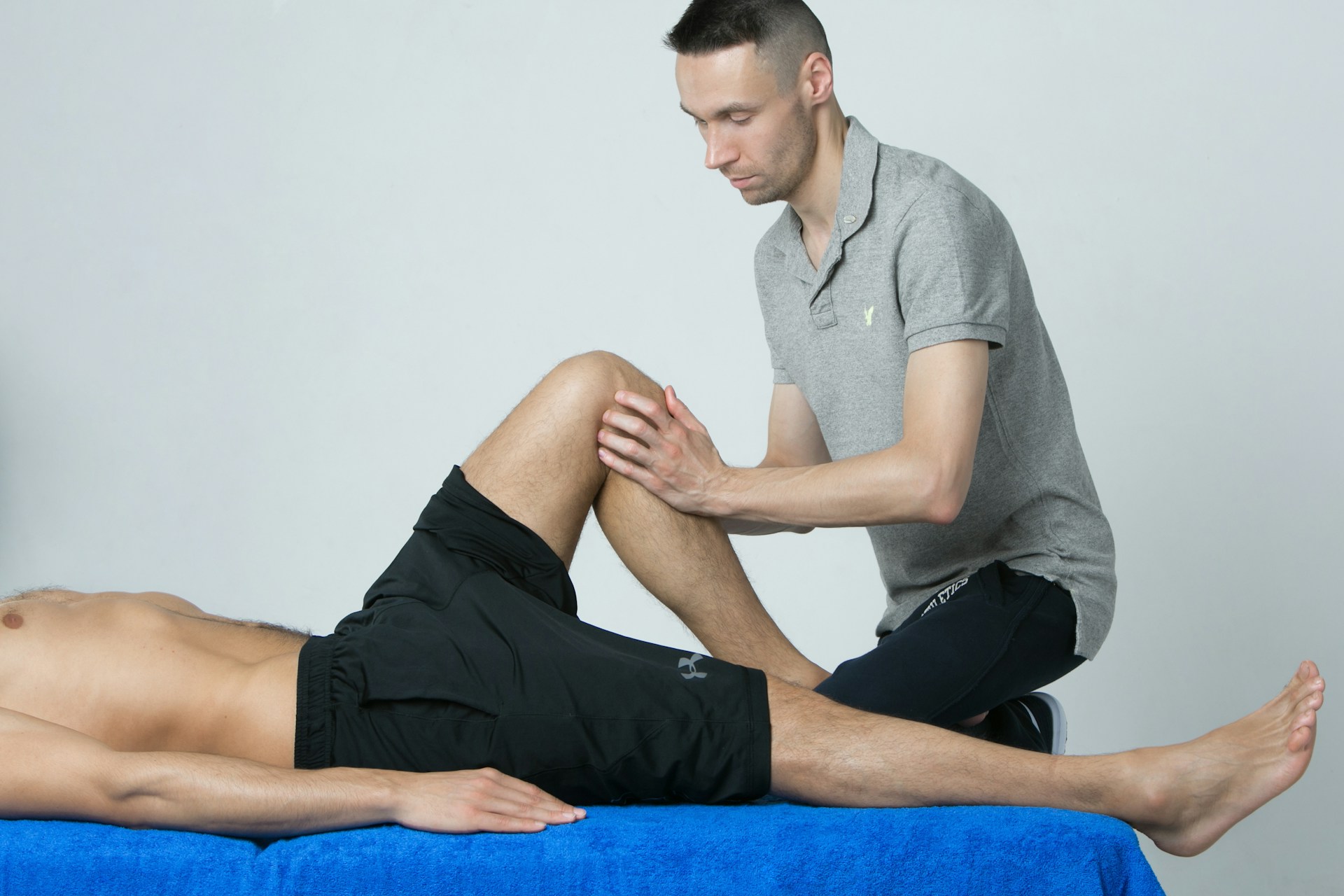
Comprehensive Consultation and Exam
We begin the assessment of a patient presenting with a concussion by taking a detailed history including the mechanism of injury, associated symptoms such as headaches and dizziness, and the subsequent change in cognition. In this section, pronator comparisons and range of motion of the individual, the level of non-paralytic muscle activity, and neural reflexes or vaginal birth are rated.
In the physical exam, we assess the range of motion, strength of the muscles, and neurological aspects like reflexes and coordination movements. I am also concerned with the cervical spine as it is more likely than not that there will also be neck trauma with a concussion. If needed, imaging studies such as X-ray or MRI might also be done to rule out other complications. After this examination, we design an individual management program for the patient, including spinal correction, soft tissue manipulation, and therapeutic exercises aimed at recovery.
Specific Chiropractic Care
Conventional medicine usually focuses on medicated management, but you can take treatment one step further with chiropractic care. Instead of throwing anti-inflammatories at your muscles, your chiropractor will attempt to address the root cause of the pain and the origin of the injury, which is often a musculoskeletal or nervous system dysfunction.
In the spine, 33 vertebrae keep you upright and active, including those holding your head in place. Experiencing whiplash or blunt force in the brain can knock the vertebrae out of place; even a millimeter’s misalignment could disrupt cellular communication and result in a surprisingly high number of symptoms.
A chiropractor can evaluate and help manage your symptoms in the long term. Chiropractors with sports medicine training are often especially well-trained to treat concussions, but all have the essential expertise to help.
Cervical Spinal Decompression
As a chiropractor treating patients who are recovering from concussion injuries, we frequently recommend cervical spinal decompression especially if the neck is involved since this part of the body is affected in most cases with concussion. The cervical spine is usually stretched using this non-invasive procedure thereby relieving pressure on the disc and nerves resulting from an impact on them. With decompression, there is better alignment of the spine as well as increased blood circulation around the several affected areas thereby promoting implantation of new tissues itself and reducing other symptoms including headaches, neck pains, alongside dizziness as well. The reduction in muscle tension which is associated with concussion, makes it easier for the nervous system to recover significantly leading to better treatment outcomes among all patients.
Physical and Mental Rest
In the first few days, letting your brain rest is the most appropriate way to let it recover. Your doctor will recommend physical and mental rest following a concussion.
Relative rest, including limiting activities that require mental concentration and thinking, is advocated for a couple of days after an injury. But complete rest, such as avoiding all stimuli in the dark, is neither beneficial nor recommended.
Instead, you should avoid any physically-taxing activity that exerts your body and increases symptoms until such a time that they no longer do.
Returning to Routine Activity
As your symptoms improve, you may slowly introduce new activities involving more mental exertion. Your chiropractor can tell you when it’s safe to resume light physical activity. When all the symptoms have resolved, you can start a discussion about safely returning to sports without risking another brain injury.
Read Our Online Reviews
EXCELLENT

Based on 116 reviews


Gwen Pinkerton
May 12, 2025

Great Chiropractor. Doing a good job and getting we put back correctly!

Pamela
April 2, 2025
Dr South is very knowledgeable and has helped tremendously with my headaches. Highly recommend!

Beverly K.
April 11, 2025
Knowledgeable, friendly and supportive people. Treatments that actually help you feel better and improve your health

Leslie Beckett
April 9, 2025
I have received chiropractic care since 1983 and have experienced many positive practice models. The techniques and overall caring in this practice are unparalleled.

Michael Simpler
April 7, 2025
Dr South is very professional and sincerely cares about his patients. He has eliminated my migraines and continues to improve issues with my neck and back. I had an elderly dog who could hardly walk and I took him to the vet three times in two weeks. They gave me prescriptions that were not helping, then recommended a chiropractor. I was surprised they recommended Dr South, already my chiropractor! One visit and he was walking pretty normal. After the second visit he was running and playing like a puppy. We had another three years of quality life thanks to Dr South. I'm so grateful to have him in my life!

Brenda Diane Tingen
April 7, 2025
Dr South, Sharon, Sam and NaMeta are amazing. They genuinely want to know how you are doing from visit to visit. They know each of their patients by name and greet you at the door. Their attention to detail is spot on. I enjoy every session that I have with them. Can't imagine going to anyone else for my Chiropractic needs.

Angelique Davis
April 5, 2025
Excellent service. Excellent care from Dr South and staff!

Rhett Walls
April 4, 2025
Great service, and caring people!!!

Adam B.
April 4, 2025
Amazing chiropractic doctor. He is very attentive and thorough and really wants to help each patient. Highly recommend if you want the right and correct treatment for your medical needs.

Stanley Bates
April 2, 2025
Excellent service.
Common Causes and Symptoms of Concussion in Newark, DE
Causes of Concussions
Our brain is made of soft and squishy tissue. A layer of cerebrospinal fluid cushions the brain, protecting it from hitting the skull. A concussion happens when you experience a blow or whiplash-type movement that causes the brain to collide with the skull. The injury stretches and sometimes damages brain cells, which can cause alterations in the brain.
The leading causes of concussions, as seen in emergency departments, include:
- Falls
- Car accidents
- Unintentionally being struck by an obstacle
- Playing sports
Each of these injuries can cause abnormal brain function for a period of time, resulting in concussion symptoms. Car accidents, falls, and injuries while playing a sport are common causes; any contact sport could lead to a concussion. For kids, most of these injuries occur while riding bikes or playing sports like football and wrestling on the playground.
In most cases, concussions aren’t life-threatening. Still, the effects can last for days, weeks, or even longer.
Concussion Symptoms
Common concussion symptoms include:
- Headache
- Nausea or vomiting
- Double or blurry vision
- Balance problems and dizziness
- Temporary loss of consciousness
- Feeling drowsy or tired
- Sleep pattern changes
- Ringing in the ears
- Being irritable, nervous, or anxious
- Feeling in a “fog” or “not right”
Diagnosing symptoms in infants and toddlers can be challenging since they cannot say what’s wrong. Watch for the following symptoms in young children:
- Head bumps and/or pain
- Being irritable, cranky
- Vomiting
- Sleepy at unusual times
- Will not nurse or eat
- Blank stare
- Fussier than usual
Of course, you need to see a doctor after you or your child bumps their head.
Types of Concussion in Newark, DE
Doctors determine how severe a concussion is by three grades, ranging from mild to severe. Some signs make it clear which grade you’ve experienced.
Grades 1 and 2
A Grade 1 concussion is the most mild form; symptoms don’t last any longer than 15 minutes.
Grade 2 is more intense. This moderate injury results in symptoms longer than 15 minutes, but you still don’t lose consciousness. Factors like symptom intensity and durability will determine the grade of your injury.
Even if a doctor diagnoses you with a Grade 1 or 2 injury, don’t assume that means you can return to normal life. You may need to wait until certain symptoms clear up before continuing regular activities, which could take as long as a week.
When you clench or grind your teeth, your jaw is forced into an unnatural position, causing excess pressure on the temporomandibular joint leading to pain and inflammation. The extra pressure can also cause the jaw to become misaligned, leading to further pain and discomfort.
Grade 3
The most severe brain injuries are Grade 3 and may include a loss of consciousness, even for a few seconds. Doctors always recommend getting a medical evaluation for this type of injury; a severe concussion could result in life-threatening complications, such as brain bleeding.
There may also be cognitive problems following a Grade 3 injury. A doctor may ask simple questions to evaluate your concentration and memory.
Hitting your head can result in a robust list of symptoms that seem minor at first, such as a headache and dizziness. Still, visiting your chiropractor for next steps is the best course of action.
Check Out Our Location Near You
1450 Capitol Trail, Suite 106, Newark, DE 19711
Frequently Asked Questions
What are concussions?
What happens during concussions?
Are concussions common?
How long do concussion symptoms last?
What determines a concussion’s outcome?