Sciatica
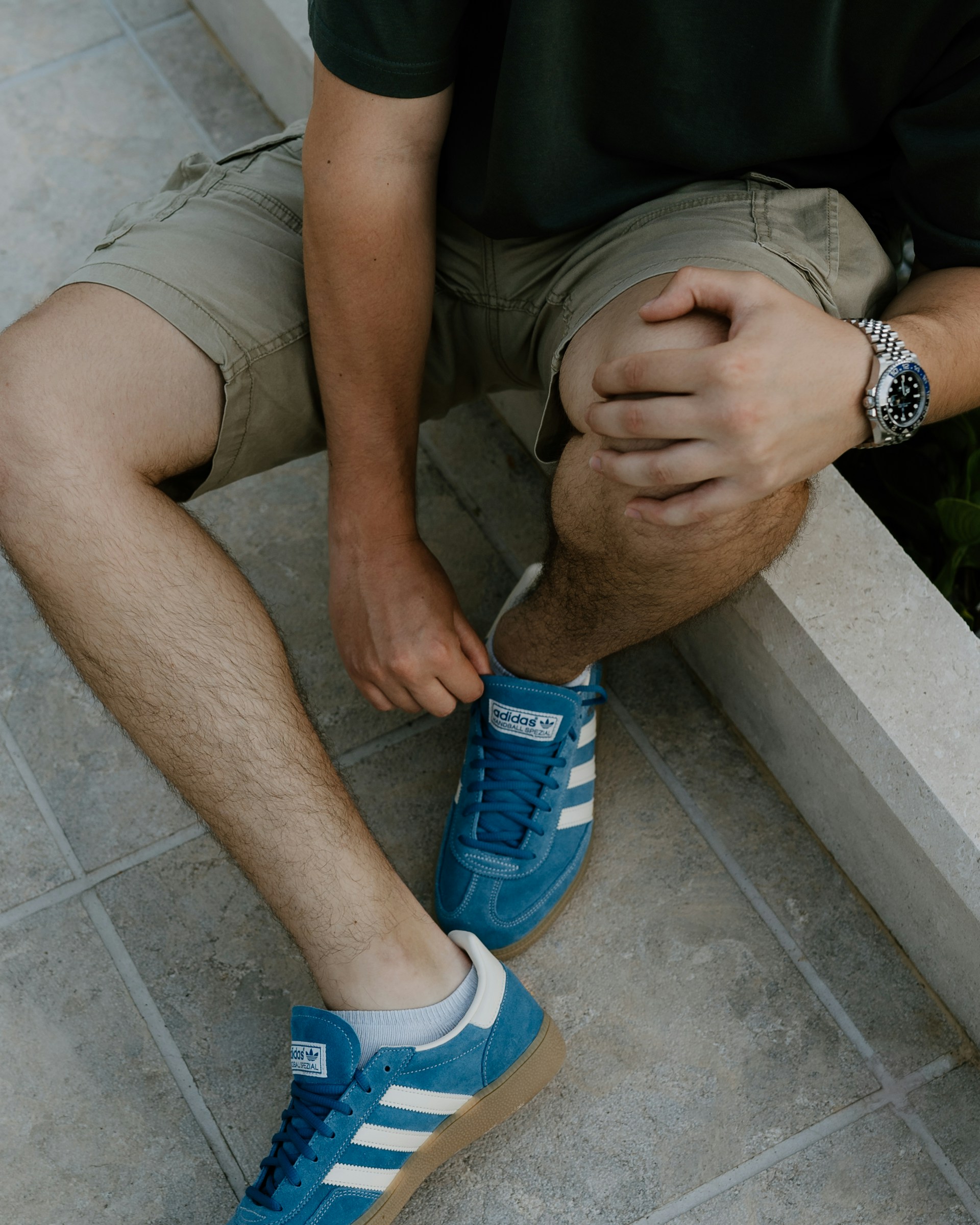
Sciatica describes symptoms that occur when the sciatic nerve becomes irritated or compressed. Individuals experiencing sciatica often report pain, numbness, tingling, or weakness that travels from the lower back into the buttock and down the leg.
Symptoms can range from mild irritation to significant discomfort that affects walking, sitting, exercise, and other everyday activities.
Because several conditions may contribute to sciatic nerve irritation, a thorough examination is important to determine the source of symptoms. Factors such as disc injuries, joint dysfunction, muscle tightness, and movement imbalances may all play a role.
Our goal is to identify contributing factors and develop a conservative treatment plan designed to improve mobility, reduce mechanical stress, and support long-term function.
Register
How Our Sciatica Plan Works
Structural Correction Chiropractic
Your body possesses an innate healing capacity, yet structural misalignments often block this process. Physical and mental stressors can trigger discomfort, limited range of motion, and various health concerns. Our approach identifies and addresses these imbalances to restore proper function and wellness.
Functional Rehabilitation
Your customized care plan targets muscular imbalances and weaknesses while enhancing movement quality and restoring normal function. This program is tailored to your unique circumstances so you can overcome pain and reach your full health potential.
Nervous System Based Approach
Your nervous system serves as the body's primary command center, regulating every cell, tissue, muscle, and organ. By prioritizing nervous system health and enhancing its performance, we can boost your overall wellness, decrease discomfort, and help prevent future health issues.
How We Treat Sciatica in Newark, DE
Different courses of treatment can help to treat sciatica. Each case is unique, and a professional chiropractor will assess the situation and determine the best course of action. There are different approaches and treatment types available, including the following.
Comprehensive Consultation and Exam
A comprehensive consultation is where the doctor will get to know you and what you're going through. They'll want a complete health history to better understand how your current condition came about. They'll then perform a thorough examination with orthopedic and neurological testing, postural analysis, and X-rays if needed. The consultation and exam create a clear picture from which the doctor can design an effective sciatica treatment plan individualized to the needs of each patient. Rather than chase symptoms, chiropractors aim to address the underlying cause of sciatic pain to achieve long-lasting results.
Specific Chiropractic Care
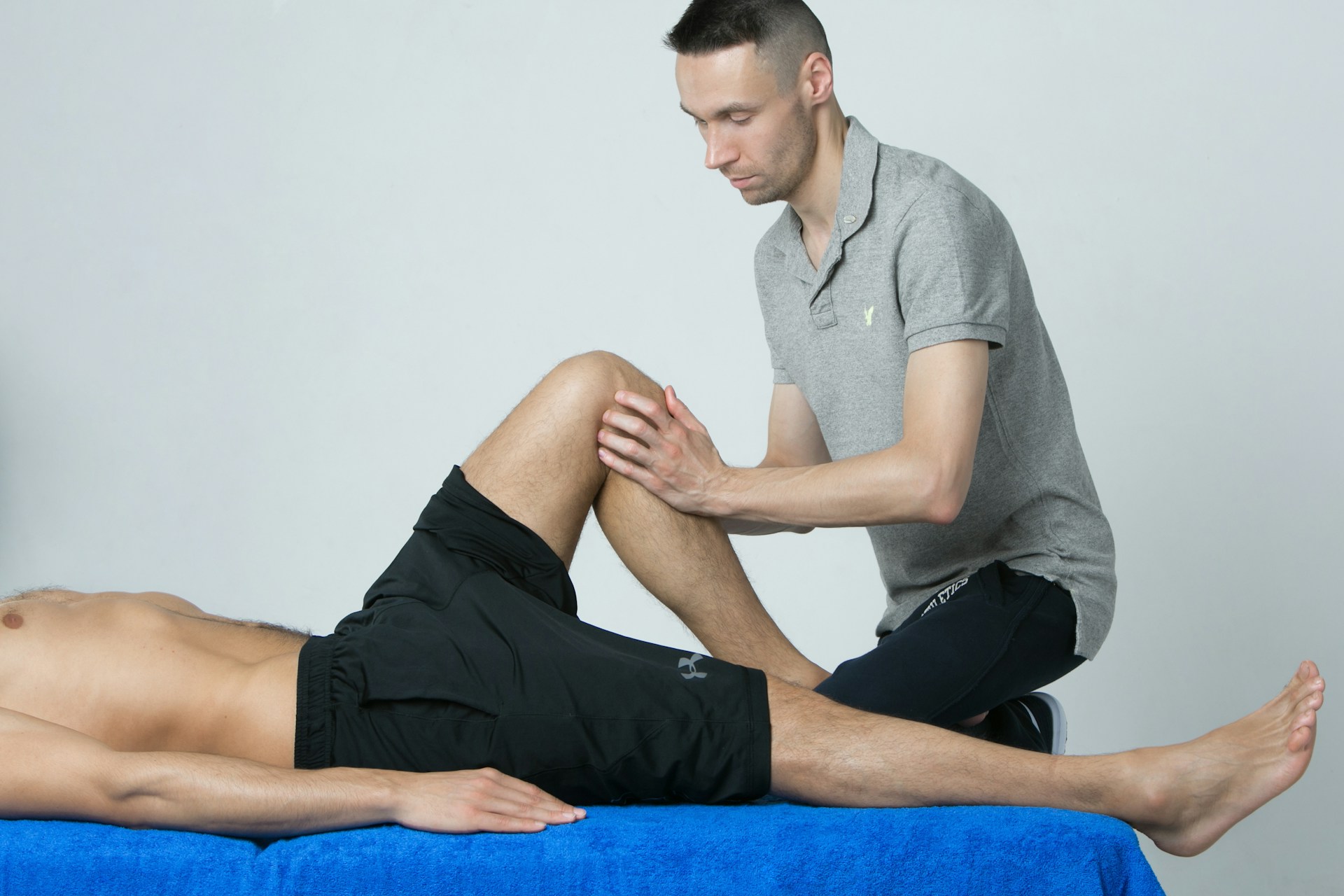
Chiropractic can treat a wide range of conditions, including sciatica. It is a safe, effective, and all-natural way to successfully deal with pain in your body. Some commonly used chiropractic techniques for this condition includes:
- Spinal manipulation
- Joint mobilization
- Soft tissue treatment and adjustment
- Trigger point therapy
Custom orthopedic tables adjust into various positions simultaneously to relieve pressure on the nerves responsible for this condition. Chiropractic adjustments help identify and correct misalignments in the spine that may irritate the sciatic nerve, causing your symptoms. Correcting these misalignments will relieve nerve pressure, reduce pain, and improve how your body functions.
Custom Therapeutic Exercise Plan
The therapeutic exercise involves using specialized equipment to specifically target your muscles and lower back. Therapeutic exercise will help relax those muscles and reduce their level of tension. It reduces pain, improves flexibility, decreases the risk of injury, and increases your range of motion. A physical therapist specializing in rehabilitation or a chiropractor experienced in custom therapeutic tables can perform this exercise.
The spine and muscles in your back depend on each other to work correctly. Once you have been treated, following a series of exercises designed for you is crucial. These exercises will help keep your muscles and the spine active and flexible. It will reduce the risk of those severe strains and tears to the forces that can lead to even more pain and nerve damage in your lower back.
Spinal Decompression
Spinal decompression, also known as spinal decompression therapy, is a safe and effective way to reduce pressure on nerve roots. It involves stretching the spine and relieving pressure on pinched or herniated discs. Decompressing the spinal discs reduces inflammation, relieves pressure on the nerves, encourages blood flow, improves oxygenation to the discs, and removes toxins and fluids from the disc space.
Deep Tissue Laser
Deep tissue laser therapy is a soft tissue treatment that uses light to treat severe pain and inflammation. It is a painless and non-invasive way to help reduce the pain directly from the nerve root. It is an effective treatment to relieve sciatica pain, decrease inflammation, and accelerate healing.
Laser is an advanced technique that uses light energy to treat nerves and tissues in the body. It helps restore its function by stimulating nerve growth factors, which keeps your muscles and bones healthy, supple, and flexible. It is also safe to use during pregnancy or for sensitive skin.
Read Our Online Reviews
EXCELLENT

Based on 116 reviews


Gwen Pinkerton
May 12, 2025

Great Chiropractor. Doing a good job and getting we put back correctly!

Pamela
April 2, 2025
Dr South is very knowledgeable and has helped tremendously with my headaches. Highly recommend!

Beverly K.
April 11, 2025
Knowledgeable, friendly and supportive people. Treatments that actually help you feel better and improve your health

Leslie Beckett
April 9, 2025
I have received chiropractic care since 1983 and have experienced many positive practice models. The techniques and overall caring in this practice are unparalleled.

Michael Simpler
April 7, 2025
Dr South is very professional and sincerely cares about his patients. He has eliminated my migraines and continues to improve issues with my neck and back. I had an elderly dog who could hardly walk and I took him to the vet three times in two weeks. They gave me prescriptions that were not helping, then recommended a chiropractor. I was surprised they recommended Dr South, already my chiropractor! One visit and he was walking pretty normal. After the second visit he was running and playing like a puppy. We had another three years of quality life thanks to Dr South. I'm so grateful to have him in my life!

Brenda Diane Tingen
April 7, 2025
Dr South, Sharon, Sam and NaMeta are amazing. They genuinely want to know how you are doing from visit to visit. They know each of their patients by name and greet you at the door. Their attention to detail is spot on. I enjoy every session that I have with them. Can't imagine going to anyone else for my Chiropractic needs.

Angelique Davis
April 5, 2025
Excellent service. Excellent care from Dr South and staff!

Rhett Walls
April 4, 2025
Great service, and caring people!!!

Adam B.
April 4, 2025
Amazing chiropractic doctor. He is very attentive and thorough and really wants to help each patient. Highly recommend if you want the right and correct treatment for your medical needs.

Stanley Bates
April 2, 2025
Excellent service.
Common Causes of Sciatica in Newark, DE
Herniated Lumbar Discs
A herniated lumbar disc occurs when the intervertebral disc loses water, and the inner material escapes its position between two vertebrae. It compresses nearby tissues or irritates nearby nerve roots. The nerve roots supply feeling and movement sensations to your legs, arms, and other lower body parts. As a result, one or more of these nerves are injured and will respond by producing the symptoms of sciatica.
Degenerative Disc Disease
It is a common condition that leads to spinal degeneration. As the packing and spongy material inside the disc deteriorate, the disc space between the vertebrae becomes smaller. That means less room for nerves to pass through there. It also means more pressure on these nerves when they move around your spine. It can lead to friction and pinching with these nerves, ultimately leading to the symptoms of sciatica pain.
Spinal Stenosis
The spinal cord travels through the vertebrae and out to the body, controlling all aspects of function. When the interior channel begins to narrow, it doesn't allow enough room for the bundle of nerves to pass through. These nerves become irritated and can trigger sciatica symptoms of shooting pain, muscle weakness, numbness, and tingling.
Muscle Strain or Spasm
Muscle strain or spasm is a common cause of sciatica symptoms. It happens when a nerve root becomes compressed or injured. For example, if you twist your lower back while lifting something, this will stretch the nerve root in that area. This injury can cause these symptoms in the legs, buttocks, and lower back.
Sacroiliac Joint Dysfunction (SI Joint Pain)
The sacroiliac joint is the joint that connects your spine to your pelvis. It comprises five small bones and has a limited range of movement. If damaged and inflamed, it can cause sciatic nerve pain in the lower back and buttocks. It is most commonly caused by osteoarthritis but can also occur due to tight hip flexors, tight hamstrings, and poor posture.
Subluxation
A subluxation is a partial dislocation of a joint. It happens when the bones in your spine are misaligned, causing pain, numbness, and tingling sensations in your lower back, buttocks, legs, and feet. Subluxation can happen due to injury, repetitive stress, or bad posture. It can lead to compressive forces on the nerve roots, which can cause pain and nerve damage. Chiropractic adjustments are the only way to correct a subluxation to restore proper nerve flow and reduce pain caused by sciatica.
Check Out Our Location Near You
1450 Capitol Trail, Suite 106, Newark, DE 19711
Frequently Asked Questions
Should I see a doctor or a chiropractor about sciatica?
What exercises help with sciatica?
What can I do to relieve my sciatica pain?
What is the best treatment for sciatica?
What causes sciatica flare-ups?
How long does sciatica last?
Sciatica is a common condition that can cause pain, numbness, or tingling in the lower back and legs. While several problems can cause it, it is most often due to degenerative changes in the lower spine. When these conditions are diagnosed early, they can be treated relatively easily. Left untreated, they can cause long-term symptoms and chronic pain. Thankfully, your doctor will be able to identify what is causing your sciatica symptoms and recommend the best treatment option for them.