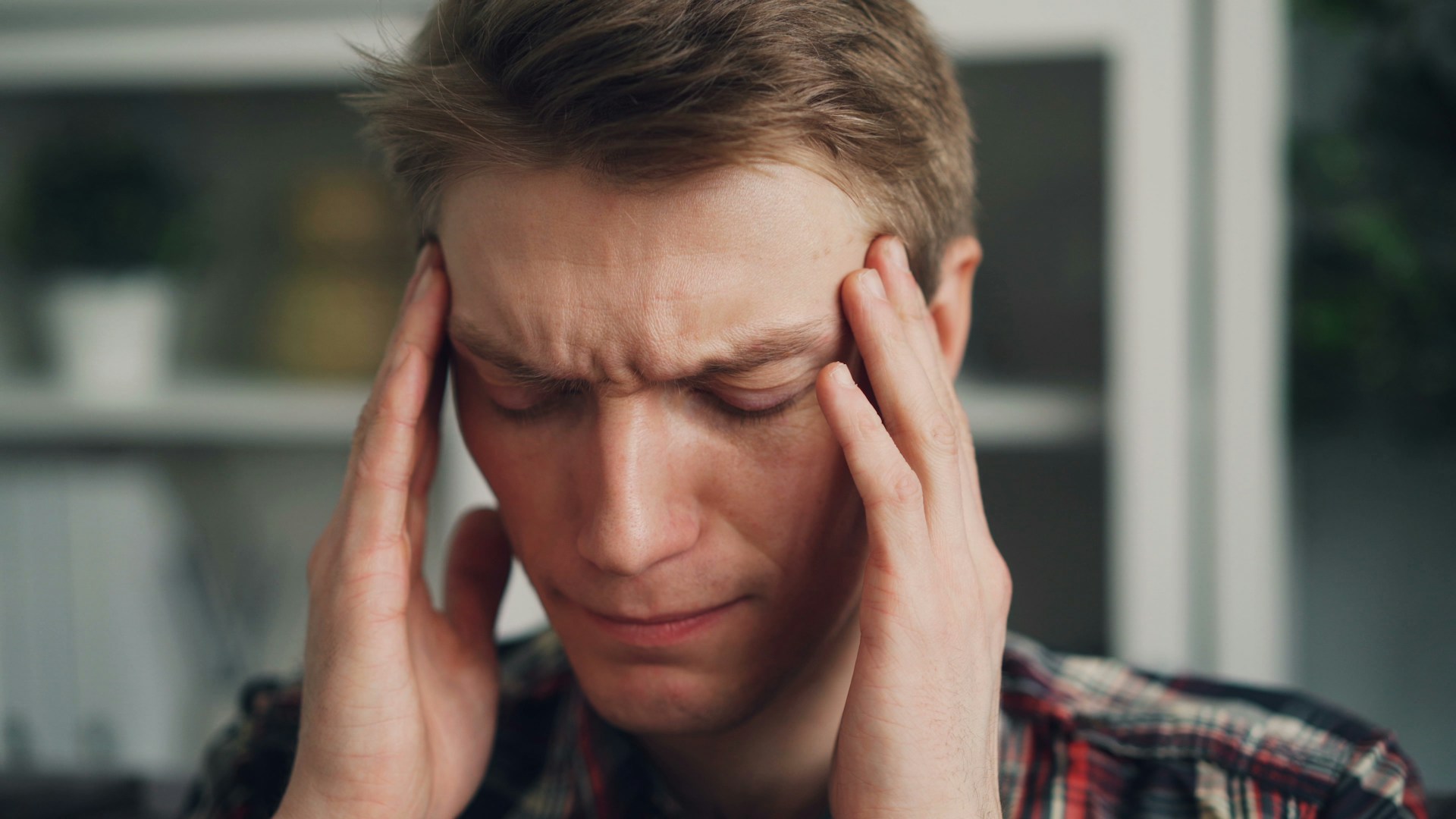
Headache

Headaches affect more than 90% of people at some point in their lives. The three most common types are tension headaches, migraines, and sinus headaches, with tension headaches being the most prevalent. A thorough neurological and physical examination, along with appropriate imaging when needed, can help identify contributing factors and guide care. By addressing overall body function and spinal health, chiropractic care may help reduce headache frequency, provide lasting relief, and support the prevention of future episodes.
Tension Headaches
Tension headaches are often linked to everyday stress, prolonged screen use, and poor posture. Looking down at a phone or computer for extended periods can place increased strain on the upper neck and surrounding muscles, leading to tension and discomfort. This strain can also cause referred pain into the shoulders, contributing to a forward head posture commonly referred to as “turtle syndrome,” where the shoulders become elevated and rounded toward the ears.
Sinus Headaches
Sinus headaches can sometimes be associated with congestion, inflammation, and tension in the upper neck, and may be aggravated by weather changes, sleeping positions, or environmental factors. Identifying and addressing the underlying contributors—whether related to sinus irritation, posture, or neck dysfunction—can help improve symptoms. Chiropractic care may include spinal adjustments, traction, and guided exercises designed to improve mobility and reduce tension.
Migraines
Migraines can be far more disruptive than a typical headache. For many individuals, they interfere with work, family activities, sleep, and overall quality of life. Symptoms often extend beyond head pain and may include sensitivity to light, sound, smells, nausea, or visual disturbances.
Migraine triggers vary from person to person and may include stress, poor sleep, dietary factors, hormonal changes, dehydration, or physical tension within the neck and shoulders.
While chiropractic care is not intended to cure migraines, some patients seek care when musculoskeletal issues appear to contribute to their symptoms. Restrictions in the neck, poor posture, and chronic muscle tension may place additional strain on the body and affect overall comfort.
By addressing mobility limitations and improving overall function, many patients report improvements in comfort and a reduction in headache frequency related to musculoskeletal causes.
Register
How Our Headache Care Plan Works
Structural Correction Chiropractic
Your body possesses an innate healing capacity, yet structural misalignments often block this process. Physical and mental stressors can trigger discomfort, limited range of motion, and various health concerns. Our approach identifies and addresses these imbalances to restore proper function and wellness.
Functional Rehabilitation
Your customized care plan targets muscular imbalances and weaknesses while enhancing movement quality and restoring normal function. This program is tailored to your unique circumstances so you can overcome pain and reach your full health potential.
Nervous System Based Approach
Your nervous system serves as the body's primary command center, regulating every cell, tissue, muscle, and organ. By prioritizing nervous system health and enhancing its performance, we can boost your overall wellness, decrease discomfort, and help prevent future health issues.
How We Treat Headaches in Newark, DE
Different courses of treatment can help to treat headaches. Each case is unique, and a professional chiropractor will assess the situation and determine the best course of action. There are different approaches and treatment types available, including the following.
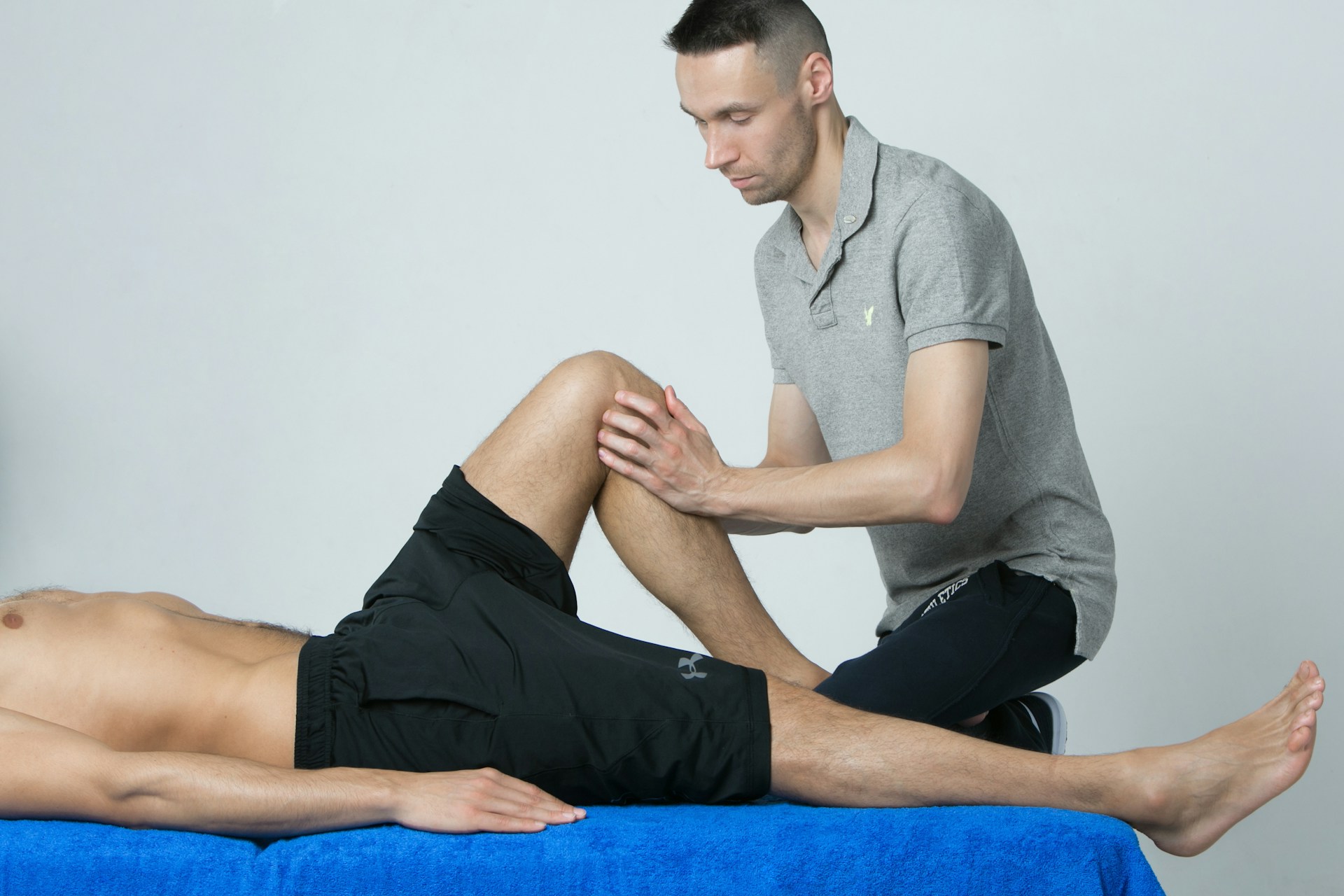
Comprehensive Consultation and Exam
A chiropractor will begin by conducting a comprehensive consultation and exam of your lower back, neck, and head. By performing physical tests and asking questions about the severity, frequency, location, and duration of the headache, a chiropractor can determine if chiropractic care is right for you.
There are over 150 different types of headaches. Determining which headache you are suffering from will define the appropriate steps for care.
Digital X-rays
Your chiropractor may recommend digital X-rays to rule out more serious causes of headaches, such as structural issues within the head. X-rays may allow your chiropractor to identify spinal misalignments, bone spurs, and other causes of headaches that require more intensive treatment.
Your chiropractor will use X-rays to determine what kind of treatment will be most effective. By addressing the cause of your headache rather than just the pain, chiropractic care can provide more effective long-term results than traditional medical care.
Specific Chiropractic Care
After your chiropractor has done a comprehensive examination to determine the cause of your headaches, they can develop a specific plan to treat the cause of your headaches. This will be tailored to you and will target areas that may be contributing to the pain. Many headaches are caused by cervical subluxation – spinal misalignments in the neck. These misalignments can disrupt proper muscle balance and function as well as interrupt nerve flow, scrambling communication between the brain and body.
Chiropractic adjustments correct these misalignments to restore proper nerve flow and muscle function, relieving muscle tension.
Massage Therapy
Massage therapy is one of the most effective non-invasive treatments and can help relieve tension and soreness throughout your entire body. It decreases headaches’ severity by reducing muscle tension in the neck, shoulders, back, and face and improving circulation to accelerate healing. Massage therapy also relieves pain, improves flexibility and range of motion, and helps promote relaxation relieving another cause of headaches, stress.
Custom Therapeutic Exercise Plan
Chiropractors may use various exercises to help you improve your condition and reduce pain. These exercises are customized to you and can help strengthen your neck and back muscles, relieving tension throughout the body.
By improving the function of these muscles, you can continue to feel better long after the massage has ended. In addition, exercises improve your range of motion, relieve soreness, and increase flexibility.
Spinal Decompression
Chiropractors often recommend spinal decompression to help relieve pressure on the nervous system by restoring proper alignment of the vertebrae. This therapy can be used for acute and chronic conditions, helping you feel better faster and preventing headaches from returning.
This non-invasive, non-surgical treatment involves simple equipment to relieve pressure on the spinal discs. This reduces pain and nerve irritation, rehydrating the discs and giving them a chance to heal. Patients can quickly see results in as little as one session and go home immediately, so there’s no interruption in work, school, or other daily activities.
Nutritional Supplementation
Our diet plays a significant role in headaches and headache relief. We will often recommend dietary changes that help support your overall health. A diet high in antioxidants and anti-inflammatory foods helps reduce stress and lessen the effects of headaches throughout the entire body. These include red beans, cucumber, garlic, black tea, and dark chocolate. Reducing inflammation, especially through natural means like diet, is an excellent way to relieve headaches and prevent future flare-ups.
Deep Tissue Laser
In addition to massage and exercise therapy, chiropractors use deep-tissue laser therapy to treat muscle spasms, pain, and stiffness throughout the body. Laser therapy helps to reduce pain and tension throughout the entire body and can help relieve you from headaches over time. Its greatest asset is stimulating healing at the cellular level to aid the nervous system in restoring balance and function to the body.
Read Our Online Reviews
EXCELLENT

Based on 116 reviews


Gwen Pinkerton
May 12, 2025

Great Chiropractor. Doing a good job and getting we put back correctly!

Pamela
April 2, 2025
Dr South is very knowledgeable and has helped tremendously with my headaches. Highly recommend!

Beverly K.
April 11, 2025
Knowledgeable, friendly and supportive people. Treatments that actually help you feel better and improve your health

Leslie Beckett
April 9, 2025
I have received chiropractic care since 1983 and have experienced many positive practice models. The techniques and overall caring in this practice are unparalleled.

Michael Simpler
April 7, 2025
Dr South is very professional and sincerely cares about his patients. He has eliminated my migraines and continues to improve issues with my neck and back. I had an elderly dog who could hardly walk and I took him to the vet three times in two weeks. They gave me prescriptions that were not helping, then recommended a chiropractor. I was surprised they recommended Dr South, already my chiropractor! One visit and he was walking pretty normal. After the second visit he was running and playing like a puppy. We had another three years of quality life thanks to Dr South. I'm so grateful to have him in my life!

Brenda Diane Tingen
April 7, 2025
Dr South, Sharon, Sam and NaMeta are amazing. They genuinely want to know how you are doing from visit to visit. They know each of their patients by name and greet you at the door. Their attention to detail is spot on. I enjoy every session that I have with them. Can't imagine going to anyone else for my Chiropractic needs.

Angelique Davis
April 5, 2025
Excellent service. Excellent care from Dr South and staff!

Rhett Walls
April 4, 2025
Great service, and caring people!!!

Adam B.
April 4, 2025
Amazing chiropractic doctor. He is very attentive and thorough and really wants to help each patient. Highly recommend if you want the right and correct treatment for your medical needs.

Stanley Bates
April 2, 2025
Excellent service.
Common Types of Headaches in Newark, DE
Migraine
Migraines are debilitating headaches typically associated with nausea, vomiting, and sensitivity to light, sound, and smell. Many migraine sufferers experience an aura or visual disturbances before a migraine attack. Headaches typically accompany light sensitivity, but the pain can range from mild to excruciating.
Tension Headache
Tension headaches are the most common type of headache. They tend to occur in the neck and scalp. They can be caused by stress, overuse of muscles, and neck strain. Symptoms include a dull headache with stabbing pain on one side of the head. Relieving muscle tension and restoring balance to the musculoskeletal system helps relieve tension headaches and prevent them from returning.
Cluster Headache
Cluster headaches are among the most painful. These headaches occur at the front of the face and behind the eye. They occur in clusters, lasting anywhere from 15 minutes to three hours at a time over six to eight weeks. A patient will typically have between one and three attacks daily during a cluster headache period.
Sinus Headache
Sinus headaches are headaches that occur from sinus pressure or nasal congestion. They may include symptoms such as pain, tenderness, and swelling of the face, sinuses, or throat. Sinus headaches typically cause less pain than migraine headaches but can last several days.
Concussion Headache
Headaches are often the result of a concussion, a mild traumatic brain injury where the brain bounces around the skull. Symptoms include nausea, vomiting, and sensitivity to light, sound, or noise. The headaches can range from mild to severe, with pain that is felt on one side of the head and forehead. Also, you may notice that your vision is blurry, or you see stars or flashing lights.
Cervicogenic Headache
Muscle tension or subluxation in the neck causes cervicogenic headaches. They are typically accompanied by neck stiffness, pain on one side of the head, and ear pain. Cervicogenic headaches can be caused by something as simple as sleeping with your head turned in an awkward position. This can easily be corrected with a cervical chiropractic adjustment.
Pregnancy Headache
Headaches that happen during pregnancy pregnancy can range from mild to severe. The pain can occur anywhere in the head and face but is typically worse on one side. One or both sides of the head may be affected, which may cause visual changes.
Whiplash Headache
A whiplash headache is often the result of a whiplash injury. These injuries are common during a car accident or among athletes when the neck snaps backward and forward in a violent, rapid motion. Symptoms include a dull but intense pain on one side of the head. You may also notice pain or tenderness around your ears and jaw. Also, the pain may radiate up the back of your neck. A whiplash injury may also damage spinal structure requiring the care of a chiropractor.
Check Out Our Location Near You
1450 Capitol Trail, Suite 106, Newark, DE 19711
Frequently Asked Questions
Is a chiropractor good for headaches?
When should you see a chiropractor for headaches?
Is a massage or chiropractic better for headaches?
Do medical doctors recommend chiropractors for headaches?
How can I relieve my headaches?
Is chiropractic effective for migraines?
What is a natural way to relieve tension headaches?
Medical doctors and providers often recommend chiropractors because they have tried-and-true methods to reduce the frequency and intensity of chronic pain disorders such as migraines, whiplash headaches, and tension headaches. Headaches may be relieved with basic over-the-counter pain medication, but these medications often leave the patient with additional side effects. The best medicine for a headache is natural chiropractic care.